
Horizontal lap
The traditional look: panels overlap and run across the wall, and the exposure width changes the whole feel.
- Most common profile
- Narrow exposure for a classic look
- Wide panels for a modern feel
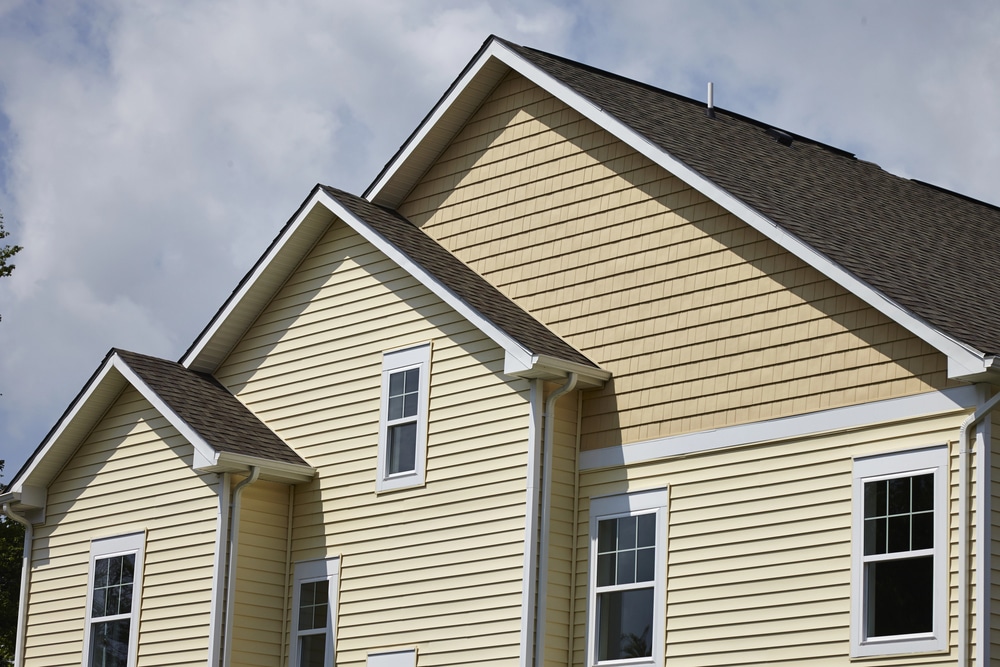
At TurnKey Renovators, we install and replace vinyl siding across Greater New Orleans, including trim, soffit and fascia, with clean removal and disposal of the old exterior. Book a free vinyl siding consultation and bring your color ideas.
A vinyl siding job is more than hanging panels. Pick a stage to see what is included.
Our crew takes off the existing siding, hauls the debris away and checks the wall surface underneath before anything new goes up.
Start My ProjectPrep is what separates siding that lasts from siding that fails early, so we fix moisture issues and damaged areas first.
Start My Project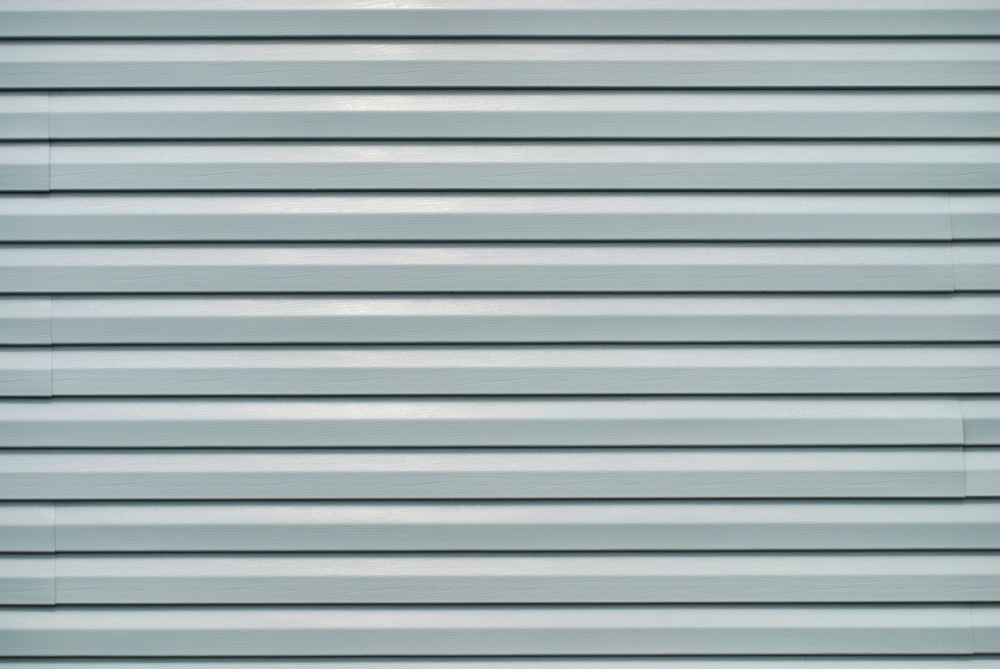
Panels hang on a nailing system that lets them expand and contract, each locking into the one below from foundation to roofline.
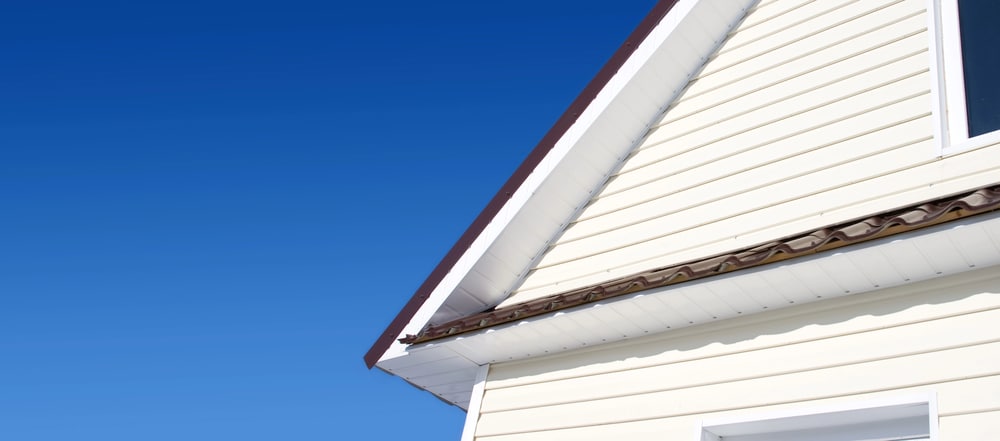
Trim finishes the edges around windows, doors and corners, and matching pieces seal the gaps where moisture could get in.
We help you choose the profile, color and thickness that suit your home, from traditional shotgun houses to newer suburban builds.
The traditional look: panels overlap and run across the wall, and the exposure width changes the whole feel.
A vertical profile of alternating wide and narrow strips, often used as an accent.
Profiles that mimic cedar shakes or decorative shingles to add texture and character.
Thicker panels look more realistic, resist impact better and hold their shape longer in direct sun.
Small, isolated damage can often be repaired. We give you an honest read on what your siding actually needs.
| What we find | Repair usually works | Replacement is the better investment |
|---|---|---|
| Extent | A cracked panel or one section knocked loose | Damage covering large areas |
| Matching | Panels are still available to match | Panels are discontinued and hard to match |
| Sheathing | Wall behind the siding is sound | Sheathing shows water damage |
| Storm damage | A few panels knocked off in a major storm | Panels come loose even in moderate weather |
Louisiana's climate puts demands on siding that much of the country never sees. The install is what makes the difference.
Siding that traps moisture against the wall leads to rot and mold, so ventilation and drainage behind the panels are critical.
Vinyl expands and contracts through the day, and correct nail placement and spacing keep it from buckling or pulling away.
Fastener patterns rated for local wind and products designed for high-wind zones give the best protection in hurricane season.
No siding is hurricane-proof, but quality products installed correctly perform well in most Southeast Louisiana storms.
Every vinyl job follows the same clear sequence, with updates from start to finish.
We evaluate your siding and walls, talk through your goals and give you a written estimate for the full scope.
You choose from panel profiles, color samples, thickness grades and trim options.
We set up the work area, protect landscaping and walkways, remove the old siding and fix any wall issues.
Panels go up from the bottom row to the top, then trim goes around windows, doors and corners, with soffit and fascia along the roofline.
We check alignment and fastening, haul away all debris and do a final walkthrough with you.
Every home is different, so we price from what we find. These five factors move the number most.
Complex rooflines, multiple stories and many windows mean more cutting and trim work.
Premium grades are thicker, more impact-resistant and more realistic, and the difference adds up across a whole house.
Tear-off adds labor, especially when the existing siding contains materials that need special handling.
Damage found once the old siding comes off has to be fixed before new panels go up.
Soffit replacement, fascia wrapping and decorative gable accents add to the scope.
Your estimate breaks down each line item, so you know exactly what you are paying for before any work begins.
We install vinyl siding in New Orleans, Metairie, Kenner, Gretna, Slidell, Mandeville, Covington, Hammond and Baton Rouge.
Care, performance and timelines, answered plainly.
Quality vinyl siding typically lasts 20 to 40 years, depending on the product grade, installation quality and exposure to direct sun and storms. Thicker premium panels tend to last longer.
Vinyl rated for high-wind zones can handle sustained winds of 110 mph or more, depending on the product. Correct fastener spacing matters just as much as the rating.
On its own it adds weather protection but limited insulation. Insulated vinyl products with a foam backing can improve thermal performance, so ask about them at your consultation.
No. The color is built into the material. You can repaint vinyl with paints formulated for it, but that adds the upkeep vinyl was designed to avoid.
A garden hose and a soft brush handle most dirt. For mildew or stubborn stains, use water with mild detergent. If you pressure wash, keep the pressure low and aim downward so water is not forced behind the panels.
Sometimes, if the existing surface is flat, sound and free of moisture problems. Going over damaged or uneven walls traps moisture, so we inspect first and recommend the right approach.
Most residential projects take one to two weeks, depending on the size of the home, the prep work and the weather. You get an estimated timeline at your consultation.
Tell us about the project and we will come out, measure and hand you a clear written estimate with no hidden fees.
504-527-8711