
Humid subtropical climate
New Orleans has hot, humid summers, and indoor humidity swings with the season and with how well the AC keeps up.
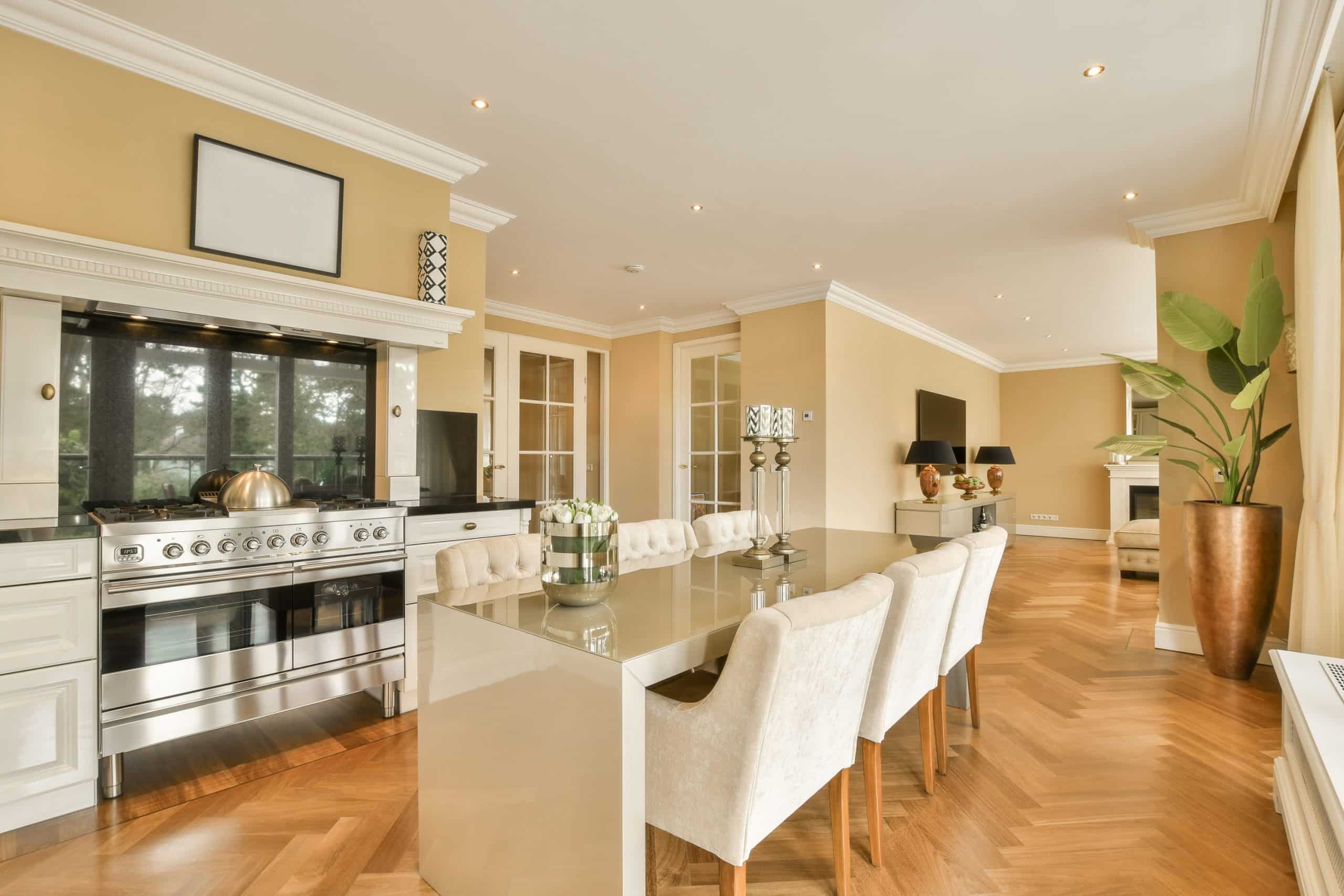
At TurnKey Renovators, we install porcelain tile, luxury vinyl plank and hardwood in kitchens across Greater New Orleans, with the subfloor prepared right and transitions that will not lift or catch months from now. Request your free estimate and we will match the floor to your kitchen and your slab.
Spills, dropped pots, pet claws and humid mornings all land on the kitchen floor. Pick a material or a stage of the job to see what it involves.

Tile resists humidity, standing water and heavy traffic, and it is close to maintenance-free. It takes longer to install because thinset cures between stages.
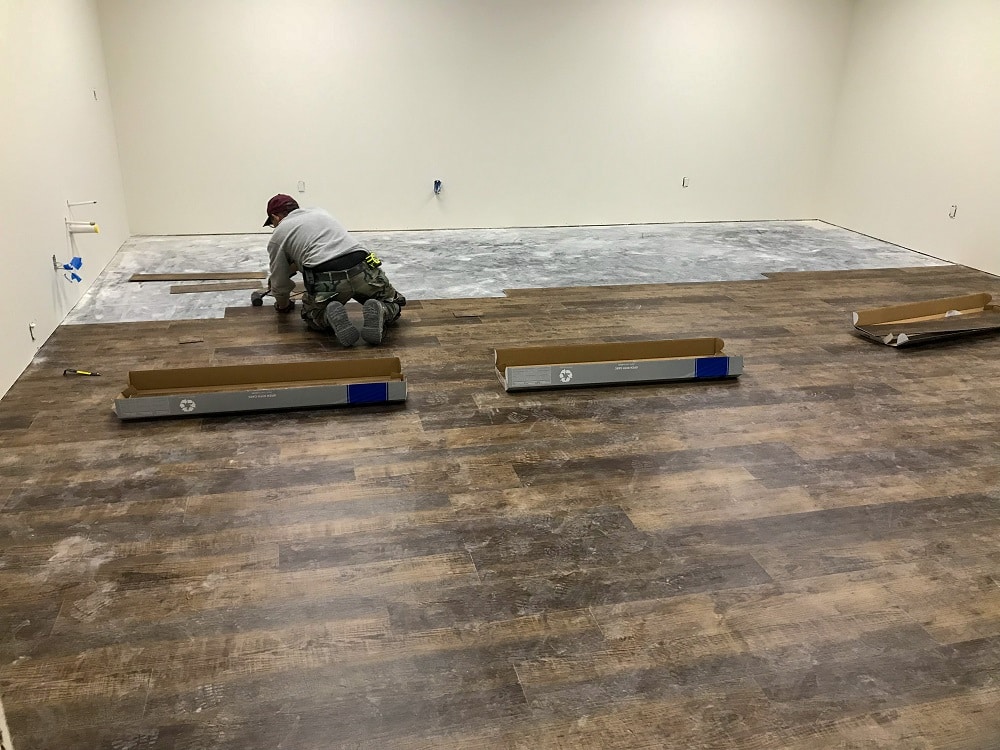
Rigid core plank handles this climate well and installs fast. Tight-locking joints matter, because water can seep between seams if it pools.

Engineered wood brings warmth underfoot in kitchens with steady climate control. It needs more care than tile or LVP and must acclimate first.
This step is invisible once the floor is down, and it decides whether the floor stays flat.
Choose My FloorWhere the kitchen floor meets hallway carpet, living room hardwood or a bathroom, the transition has to sit flush and stay tight.
Choose My FloorBoth handle a New Orleans kitchen well. The better pick depends on your budget, your slab's moisture reading and how the floor should feel.
| Factor | Porcelain tile | Luxury vinyl plank |
|---|---|---|
| Water | Resists humidity and standing water | Rigid core is waterproof at the plank, but pooled water can reach the seams |
| Install time | Longer, with cure time between stages | Usually one to two days |
| Over an old floor | Tile over tile only in specific conditions, and it adds height | Often goes over flat, well-bonded tile or vinyl |
| Upkeep | Near-zero maintenance | Handles everyday spills and splashes |
| Resale | Among the highest perceived value with local buyers | Gaining ground fast with buyers |
Hardwood that cups and buckles months after install usually skipped acclimation or a moisture barrier. The climate and the slab decide what lasts here.
New Orleans has hot, humid summers, and indoor humidity swings with the season and with how well the AC keeps up.
Slabs in Lakeview, the Marigny, Mid-City and Gentilly routinely exceed manufacturer moisture limits for hardwood, so we test before recommending.
Older homes in Uptown, the Marigny and Mid-City often have wood subfloors that need leveling before any material goes down.
Hardwood and engineered wood sit in your home for several days first. Skipping that step is one of the most common causes of floor failure here.
The City of New Orleans exempts removing and replacing deteriorated floorboards from building permits. Structural work under the floor is a different matter, and we tell you if your job crosses that line.
Climate from Wikipedia (Koppen Cfa). Permit exemption from the City of New Orleans guide to building permits.
Moisture testing and subfloor correction are part of every job, not add-ons.
We test the slab or subfloor for moisture and check for unevenness, because high readings change the material we recommend.
High spots are ground down, low spots filled with self-leveling compound and damaged wood subfloor replaced.
Wood products rest in your home for several days, and tile and LVP follow the manufacturer's guidelines.
Thinset for tile, underlayment for LVP and moisture barriers for hardwood, each set to its own requirements.
T-moldings, reducers and thresholds go in flush where the kitchen meets the next room.
If a material does not suit your slab, traffic or upkeep habits, we tell you before you spend the money.
A beautiful floor on a bad subfloor is a temporary floor, so testing and leveling are never skipped.
When we run the whole kitchen, the floor goes down in the right order relative to cabinets, paint and trim.
When a tile order comes up short or an LVP color is backordered, regional distributors mean faster fixes.
We have set tile on shifting slabs, laid hardwood in shotgun doubles and installed LVP in new construction from Metairie to Slidell.
Materials, timing and install details for New Orleans kitchens.
Porcelain tile and luxury vinyl plank handle this climate best, resisting humidity, standing water and heavy traffic. Engineered hardwood works in kitchens with consistent climate control but needs more care. The right pick depends on your budget, your slab's moisture reading and whether you want wood underfoot or near-zero upkeep.
Rigid core LVP (SPC and WPC) is waterproof at the plank level, so water will not damage the material itself. Water can still seep between seams if it pools for a long time, which is why tight-locking joints matter. Everyday spills are no problem.
Porcelain tile and hardwood, including engineered, carry the highest perceived value with New Orleans buyers, and LVP is gaining ground fast. Condition and installation quality matter more than the material: a well-installed LVP floor beats a gapped, cupping hardwood floor.
Two to four days for most kitchens. Tile takes longer because thinset cures between stages, while LVP installs in one to two days. Add a day if the subfloor needs significant leveling or old flooring has to come out first.
It depends. LVP can often go over flat, clean, well-bonded tile or vinyl. Tile over tile works only in specific conditions and adds height that affects transitions and dishwasher clearance. Hidden adhesive failures can also sit under an old floor, so we check before giving you a direct answer.
No. Disconnecting and reconnecting the appliances is part of the project.
Before. The floor goes down first and the cabinets sit on top, which avoids height mismatches at the dishwasher opening and keeps leaks from reaching bare subfloor under the cabinets.
Tell us about the project and we will come out, measure and hand you a clear written estimate with no hidden fees.
504-527-8711