

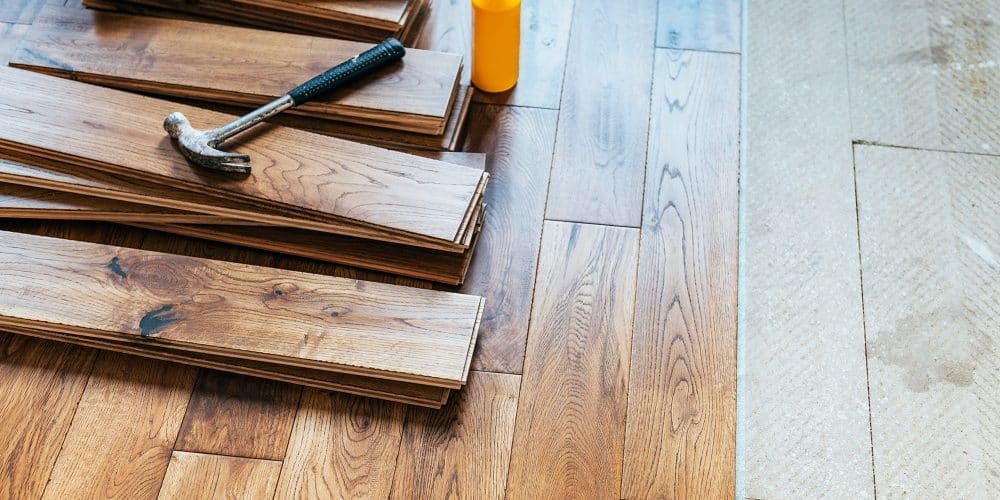
Flooring affects how every room in your home looks and functions, and in Greater New Orleans, the material you choose and how it is installed both matter. High humidity, slab foundations, and the wear that comes with daily use all influence which floors hold up and which ones don’t.
At TurnKey Renovators, we install hardwood, tile, and luxury vinyl plank flooring for homeowners throughout Greater New Orleans. Every project includes subfloor inspection and leveling, full material installation, transitions, trim, and final site cleanup.
Contact us today to get started!
Flooring Options We Install
Each flooring material suits different rooms, moisture conditions, and subfloor types. Here is what to know about each option before making a decision.
Hardwood flooring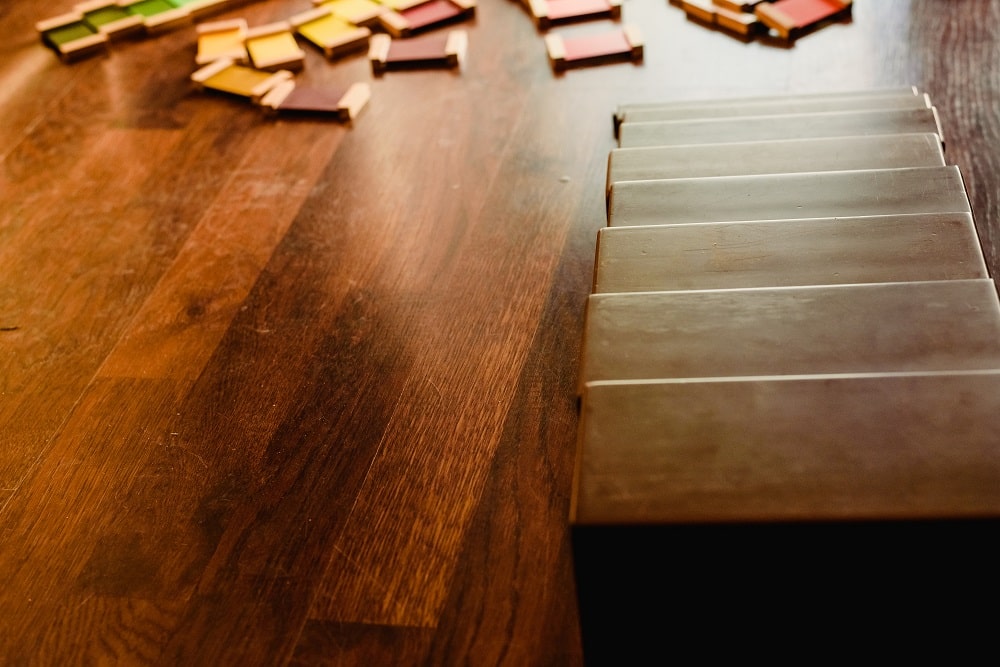 works well in living rooms, bedrooms, dining rooms, and hallways. Engineered hardwood handles humidity fluctuations better than solid hardwood, making it the more practical choice for Greater New Orleans homes with slab foundations or higher moisture exposure. Solid hardwood is a good fit for rooms above a wood subfloor with stable conditions.
Both options can be sanded and refinished, though engineered hardwood supports fewer refinishing cycles depending on the veneer thickness. Species selection affects durability as well: harder species like oak and hickory hold up better in high-traffic rooms than softer options.
Tile flooring is the standard choice for kitchens, bathrooms, laundry rooms, and any space where moisture and easy maintenance are priorities. Many New Orleans homeowners also install large-format tile throughout first-floor living areas for a consistent look that holds up in heat and humidity without warping or swelling.
Porcelain and ceramic tile are both available. Porcelain offers higher density and lower water absorption, making it the better fit for rooms with direct water exposure like showers, mudrooms, and laundry areas.
Luxury vinyl plank is a scratch- and moisture-resistant floating floor available in a wide range of wood-look styles and finishes. It is softer underfoot than tile, holds up better in damp conditions than hardwood, and installs in any room of the house, including kitchens and bathrooms.
Most LVP installs as a floating floor over a prepared subfloor, which makes it more forgiving on surfaces with minor imperfections. Wear layer thickness varies by product, and thicker wear layers hold up longer in high-traffic areas like hallways and living rooms.
It is also one of the easier materials to repair if a section gets damaged, since individual planks can be replaced without pulling up the entire floor.
Every flooring project we complete covers the full scope from prep through final walkthrough:
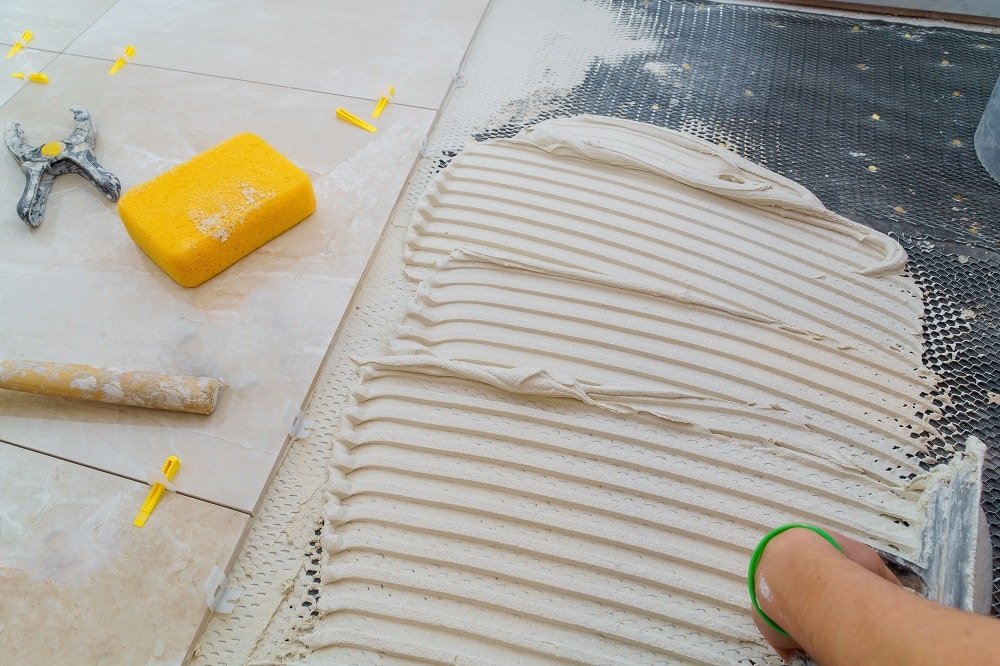 Subfloor evaluation: Soft spots, uneven sections, moisture damage, and height inconsistencies are all addressed before any material goes down. The condition of your subfloor determines which flooring options are viable and what additional prep is needed.
