
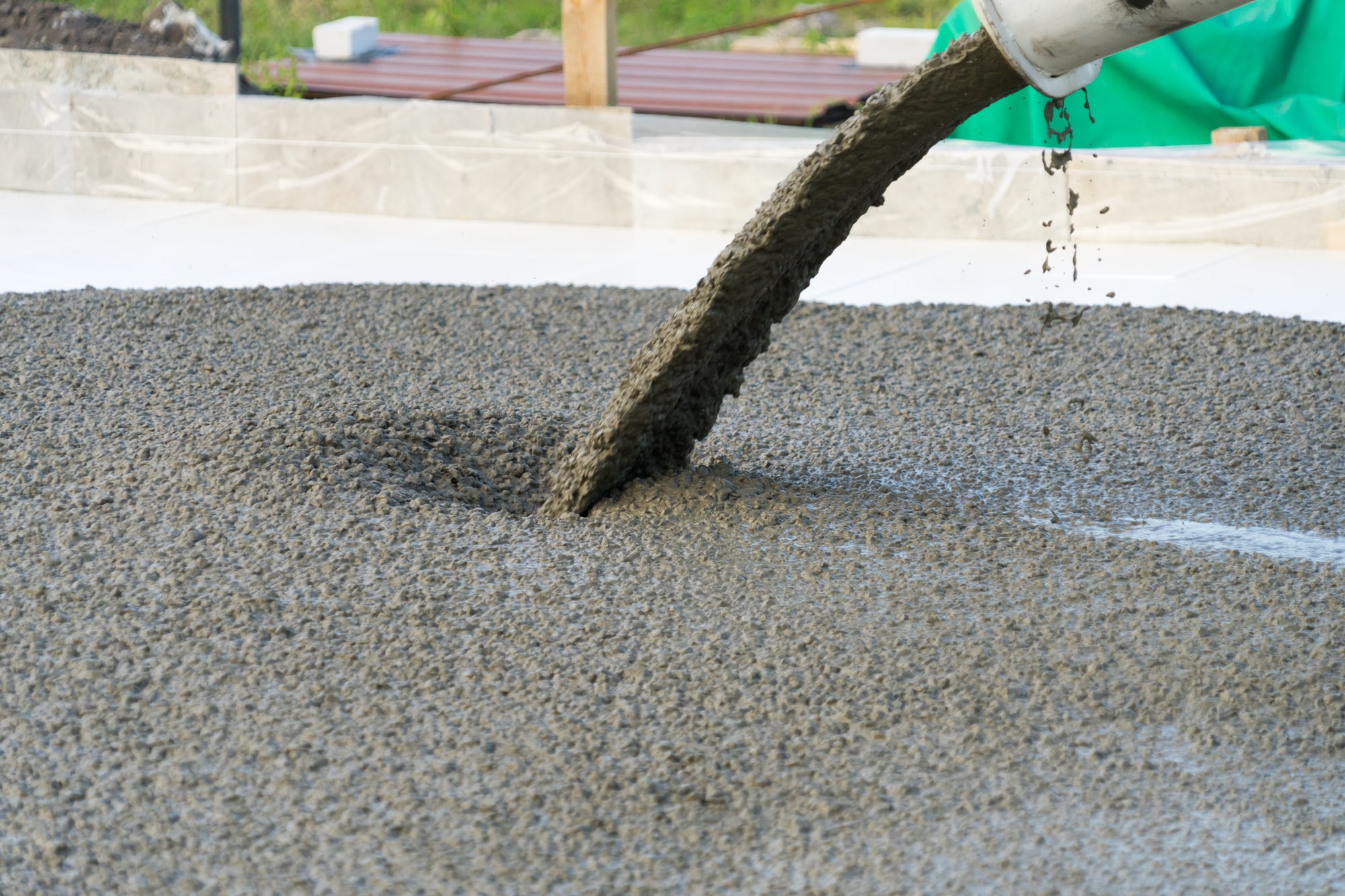
Concrete work in New Orleans
At TurnKey Renovators, we pour driveways, patios and walkways for homes and businesses across the New Orleans area, and we handle every stage ourselves: site prep, forming, pouring, finishing and curing. Get your free concrete estimate and we will walk you through your options on site.
Three surfaces, one concrete crew
Heavy rain, summer heat and clay-rich soil put constant stress on concrete here. Pick a surface to see what the work covers.
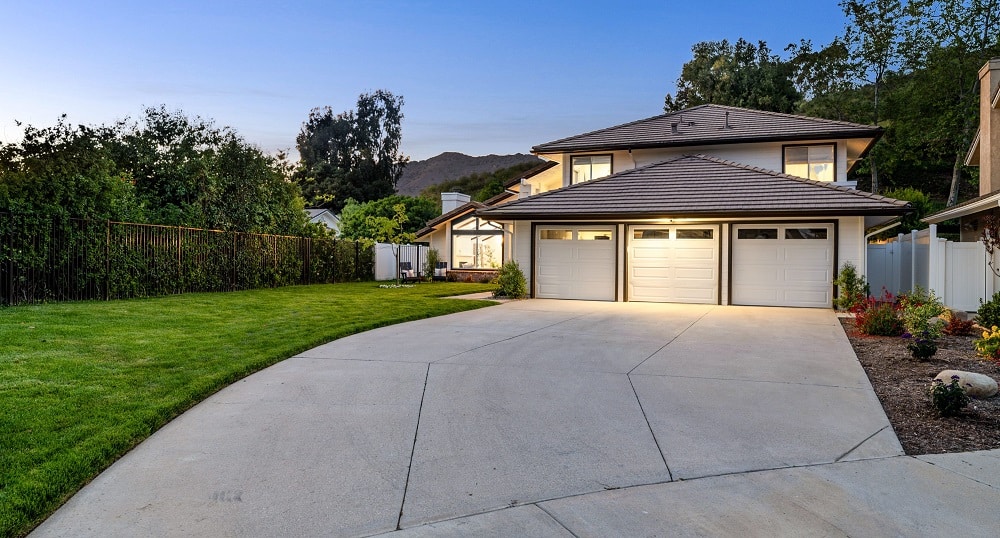
Concrete driveways
A driveway has to carry daily vehicle traffic, so we remove the old surface, grade the base and pour to the thickness your use calls for.
- New driveways
- Full replacement
- Base grading
- Thickness sized to the load

Concrete patios
From a simple slab for a grill to a larger surface for furniture, a patio extends your living space outdoors.
- Grill pads
- Full backyard patios
- Furniture-ready slabs
- Pairs with outdoor kitchens

Walkways and sidewalks
We run walkways along the sides of homes, through gardens and between the driveway and the front entry, graded so water does not pool.
- Front and side walks
- Garden paths
- Sidewalk replacement
- Drainage grading

Repair or replacement
Minor cracks can often be filled and sealed, and flaking surfaces can sometimes be retextured. A shifted slab or a washed-out base usually means replacement.
- Crack filling and sealing
- Surface retexturing
- Slab removal
- Base rebuilding
Repair it, or replace it?
Not every issue needs a new slab. These are the signs we check at the first visit before we recommend either path.
| Sign | Points to replacement | A repair may be enough |
|---|---|---|
| Cracks | Large structural cracks through the slab | Minor cracks that can be filled and sealed |
| Level | The slab has shifted significantly, leaving trip hazards and low spots | The slab is still level and sound |
| Surface | We check the slab and base under any flaking before deciding | Flaking surfaces can sometimes be retextured |
| Base | Base material has washed away under the slab | The base is intact |
Six steps from site visit to cure
Every concrete project follows the same structured path once you decide to move forward.
- 01
On-site consultation
We assess the area, take measurements and flag any drainage, grading or access concerns.
- 02
Project planning
You get a scope with dimensions, base preparation needs and a timeline, plus a written estimate before work begins.
- 03
Site preparation
We clear the area, remove old concrete if needed, then excavate, grade and compact the soil.
- 04
Forming
Forms set the shape and edges at the right height and slope to move water away from structures.
- 05
Pouring and finishing
We pour, level and apply the finish while the concrete is still workable.
- 06
Curing and walkthrough
We walk the finished surface with you, explain the curing timeline and leave care instructions.
What shapes the cost of concrete work
We price every job after an on-site consultation. These five variables drive the number.
Project size
Larger areas need more material, labor and time.
Site conditions
Soft or clay-heavy soil may need extra base preparation, and sloped lots may need more grading.
Concrete removal
Breaking up and hauling away an existing slab adds to the total.
Finish type
A standard textured finish costs less than decorative treatments.
Access
Bringing equipment through tight spaces or across landscaping can raise the cost.
You receive a detailed written estimate after the site visit and before any work starts.
Why owners call us for concrete
- 01
Full-service crew
We handle demolition, base prep, forming, pouring and finishing, so you have one contact and one schedule.
- 02
Built for local ground
We know the soil, drainage patterns and building requirements that cause early cracking and settling here.
- 03
Honest recommendations
We evaluate your existing concrete and tell you whether a repair or a replacement makes more sense.
- 04
Started on time, finished on time
You get a timeline in the plan, and we hold to it from site prep to the final walkthrough.
Concrete work across Greater New Orleans
We pour for homeowners and commercial properties throughout the metro, working from our office on Tulane Avenue.
Concrete questions
Answers on lifespan, timing and upkeep, grouped by topic.
How long does a concrete driveway last in New Orleans?
A properly installed concrete driveway typically lasts 25 to 30 years. Soil movement, heavy rain and skipped maintenance can shorten that, while regular sealing and prompt crack repair help extend it.
What is the best time of year to pour concrete in Louisiana?
Fall and spring are ideal because temperatures are moderate and there is less risk of heavy rain or extreme heat during curing. Summer pours are possible with precautions, but conditions are less predictable.
Can you pour new concrete over existing concrete?
Only if the old surface is structurally sound, level and free of major cracks. If the base has failed or the slab has shifted, the same problems carry into the new layer, so full removal and replacement is usually the more reliable option.
How thick should a concrete driveway or patio be?
Residential driveways and patios are typically poured at four inches thick. Driveways that carry heavier vehicles or commercial traffic may need five to six inches.
How do you maintain a concrete driveway or patio?
Keep the surface clean, fix small cracks before they spread and apply a concrete sealer every two to three years. In New Orleans, keeping drainage paths clear so water does not sit on the surface matters too.
What causes concrete to crack in New Orleans?
The most common causes are soil movement, tree roots, water erosion beneath the slab and temperature changes. The region's clay-heavy soil shifts unevenly with moisture, which stresses concrete surfaces.
Is concrete or asphalt better for driveways in Louisiana?
Concrete is generally the more durable choice. It handles Louisiana heat better, lasts 25 to 30 years compared to 15 to 20 for asphalt, and needs less maintenance over time.
How soon after a pour can concrete get rained on?
Fresh concrete needs at least four to eight hours of set time before light rain will not damage the surface. Heavy rain in the first few hours can weaken the surface and leave permanent marks.
Ready to start your concrete project?
Tell us about the project and we will come out, measure and hand you a clear written estimate with no hidden fees.
504-527-8711