
Durability
Properly maintained iron lasts for generations, and many mid-1800s French Quarter balconies are still sound.
- Lasts for generations
- Protective coatings
- Periodic upkeep
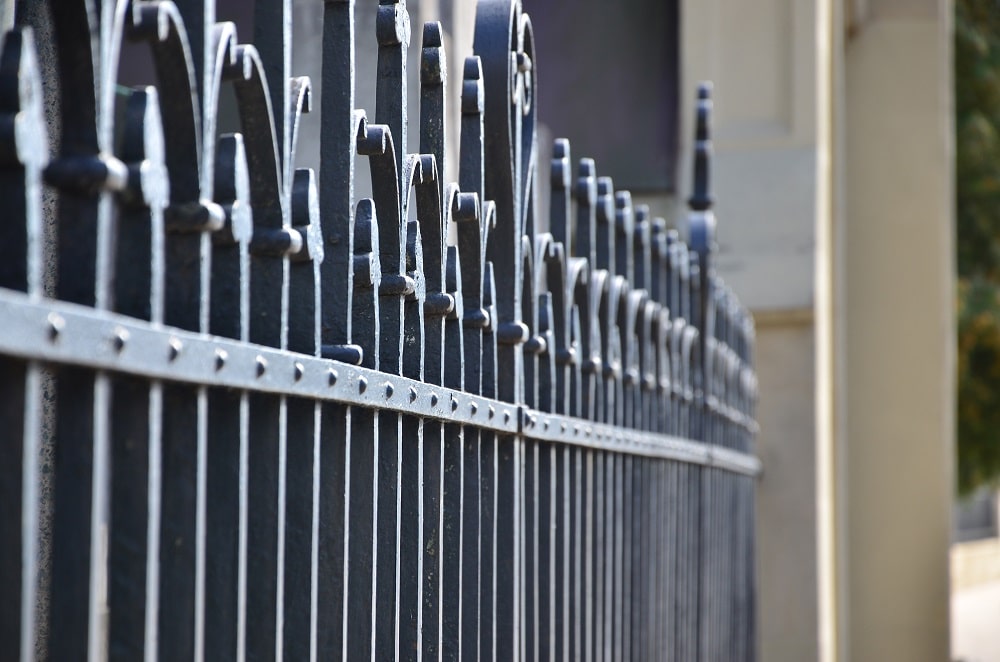
At TurnKey Renovators, we design, fabricate and install decorative railings, balconies, driveway gates and security gates that carry on the ironwork tradition of the French Quarter and the Garden District. Get your free ironwork estimate and we will match the design to your home's architecture.
Every piece is fabricated for your opening and your architecture, from clean modern lines to scrollwork. Pick a service to see what it covers.

Railings for staircases, porches and balconies that meet current building codes while following the city's ironwork traditions.

New balconies and restorations that capture the iron lace look, in traditional wrought work or cast iron reproductions.

Walk gates and driveway gates that pair classic looks with modern access control when you want it.
Tradition is only part of it. Iron earns its place on performance too.
Properly maintained iron lasts for generations, and many mid-1800s French Quarter balconies are still sound.
Strength and weight make a real barrier while still letting light, air and views through.
Iron does not rot, warp or draw termites, and sealed, painted iron handles humidity and storms.
On many historic properties, iron is the period-appropriate material for railings and gates, and it adds character to newer homes too.
Both shaped the look of this city. Knowing the difference helps you match what your house had, or should have.
| Factor | Wrought iron | Cast iron |
|---|---|---|
| How it is made | Heated, beaten and stretched by hand | Molten iron poured into foundry molds |
| Look | Thinner, more delicate profiles; every piece unique | Intricate, repeatable patterns such as filigree and oak leaves |
| Era | Common into the early 19th century | Popularized in the mid 19th century |
| Best for | One-of-a-kind custom designs | Larger installations with many matching pieces |
| Today | Mostly made from mild steel with a wrought look | Reproductions match historic patterns |
Much of the city's best ironwork sits in regulated districts. We plan designs and repairs around the reviews that apply.
Exterior work in the French Quarter falls under the Vieux Carre Commission.
The Garden District, Esplanade Ridge and other districts need Historic District Landmarks Commission approval.
HDLC does not approve adding ornamental iron not documented for the building's style, or removing contributing ironwork.
Rusting iron can grow 7 to 10 times its original thickness, and where it is embedded in a building, that expansion cracks the structure around it.
Galleries and balconies that project over a public sidewalk must lease air rights from the City of New Orleans.
Sources: City of New Orleans HDLC Guidelines for Porches, Galleries and Balconies. We confirm whether your property goes to the VCC or the HDLC at the consultation.
Five steps, with surface preparation treated as seriously as the design.
We learn your vision, assess the property and, for historic homes, research period-appropriate designs.
Skilled metalworkers build each piece to spec, by traditional forging or modern welding.
All iron is cleaned and primed for paint adhesion and corrosion resistance.
Crews anchor the work for structural integrity and code compliance, and align gates to swing smoothly.
Rust-inhibiting primer and topcoats go on in your color, from classic black to historic greens and dark golds.
We design and install ironwork for residential and commercial properties throughout the Greater New Orleans area.
Answers on lifespan, upkeep, permits and matching historic work.
With proper maintenance, iron can last well over 100 years. The key is keeping the protective paint intact and treating rust spots before they spread. Many French Quarter balconies from the 1850s still work today because they were kept up.
Here, iron typically needs repainting every five to ten years, depending on exposure and the coating. Iron near the coast or in full sun may need attention sooner, and regular inspections catch problems early.
It depends on the scope and on whether the property is in a historic district. French Quarter properties fall under the Vieux Carre Commission, and other historic districts need Historic District Landmarks Commission approval. We help you through the process.
Yes. We replicate historic patterns for repairs, extensions and new sections. For significant historic ironwork, we recommend a professional assessment so repairs keep the architecture intact.
Price depends on design complexity, dimensions, material and installation. A simple railing costs less than an elaborate balcony or an automated gate system, and we give you a detailed estimate after we see the project.
Black remains the most popular, but historic New Orleans ironwork often wore soft greens, dark golds and other period colors. We finish in the color you choose.
Tell us about the project and we will come out, measure and hand you a clear written estimate with no hidden fees.
504-527-8711