

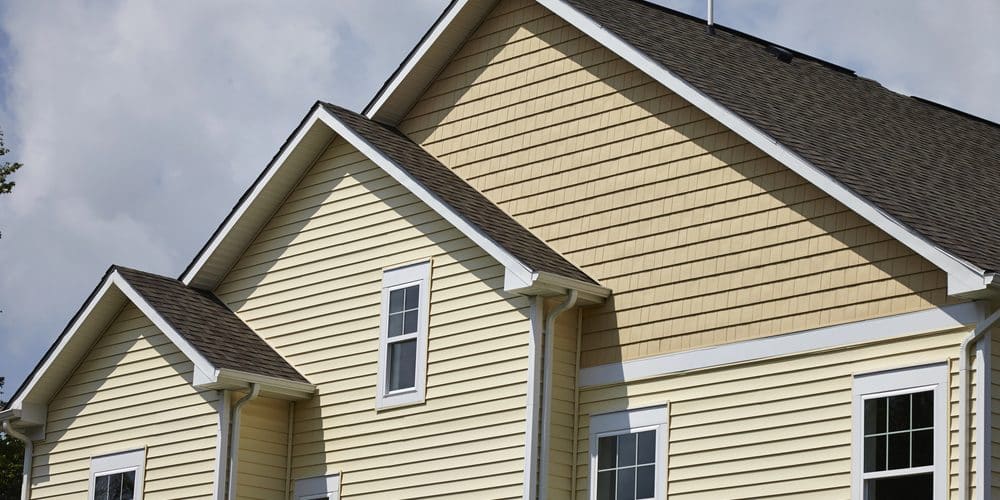
TurnKey Renovators installs and replaces vinyl siding for homes across the Greater New Orleans area. Our team handles new installations, full replacements, trim, soffit, and fascia updates, along with clean removal and disposal of old exterior materials. The result is a finished exterior that holds up to Louisiana’s heat, humidity, and storm seasons.
Tell us about your vinyl siding project. Contact us today to schedule your free consultation!
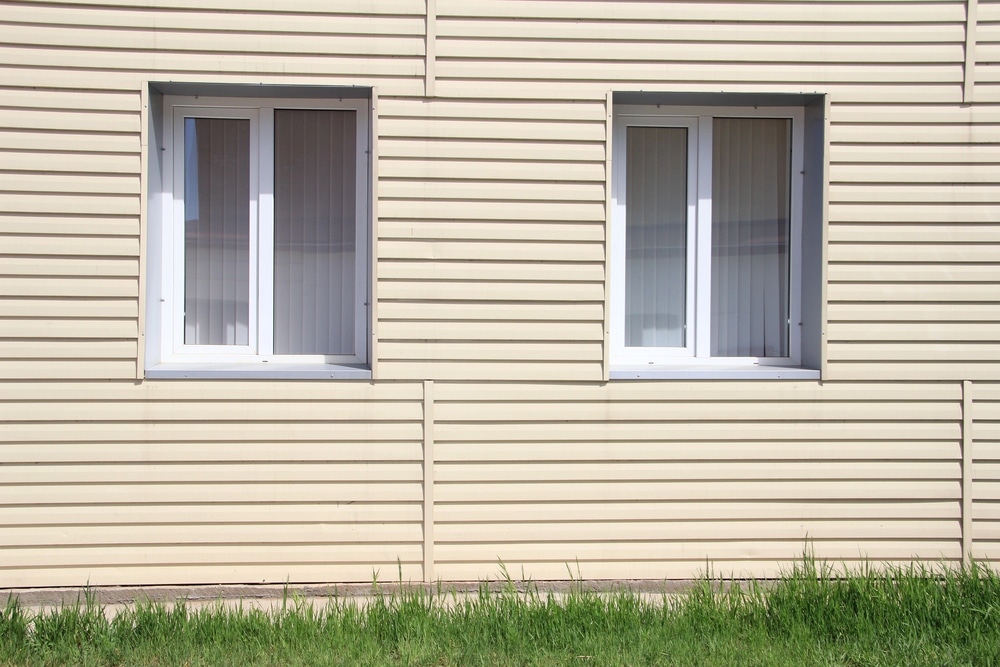 Vinyl siding is one of the most popular exterior cladding options in the Greater New Orleans area, and for good reason. It does not absorb moisture the way wood does, which matters in a region where humidity stays high most of the year. It resists rot, insect damage, and mildew without needing regular painting or sealing.
Modern vinyl products come in a wide range of colors, textures, and profiles that complement nearly any home style, from traditional shotgun houses to newer suburban builds. Compared to wood or fiber cement, vinyl gives homeowners a durable exterior at a lower price point with far less upkeep.
When you hire TurnKey Renovators for vinyl siding, we handle the full scope of work from start to finish. Here is what a typical project includes.
Vinyl siding comes in more styles than most homeowners expect. During your consultation, we help you choose the profile and color that fits your home. Here are some of the most common options available.
Vinyl products also come in different thickness grades. Thicker panels look more realistic, resist impact better, and hold their shape longer in direct sun. We walk you through the options that make sense for your home and budget.
Siding does not last forever. Here are the most common signs that tell you it is time to call a contractor.
 Mold or mildew growth on the surface or underneath the panels is a sign that moisture is getting trapped. If cleaning removes the growth but it keeps returning, the siding may not be draining or ventilating properly.
Small, isolated damage like a cracked panel or a section knocked loose by storm debris can often be repaired. If the damage covers large areas, the panels are discontinued and hard to match, or the sheathing shows water damage, full replacement is the better long-term investment.
During our inspection, we give you an honest assessment of what your siding actually needs.
Every project follows a clear sequence with consistent communication from start to finish.
Louisiana’s climate puts extra demands on siding that other parts of the country do not face. Proper installation methods make the difference between siding that lasts and siding that fails early.
Several factors influence the total cost of a vinyl siding project. Understanding these helps you plan your budget and compare estimates.
We provide detailed estimates that break down each line item so you know exactly what you are paying for before any work begins.
 TurnKey Renovators holds Louisiana Residential License #890459 and Commercial License #3667. Our team brings over 15 years of experience working on homes throughout the Greater New Orleans area, including Metairie, Kenner, Gretna, Slidell, Mandeville, Covington, Hammond, and Baton Rouge.
We understand the conditions that affect siding performance in this region. High humidity, heavy rain, tropical storms, and intense UV exposure all factor into how we approach every installation.
We keep you informed at every stage of the project with clear communication and regular updates. We show up when we say we will and finish on schedule. That is how we have built our reputation with over 1,000 satisfied customers.
Your siding is one of the most visible parts of your home and one of the most important barriers between your walls and the weather. Professional installation makes the difference between siding that looks good for a few years and siding that protects your home for decades.
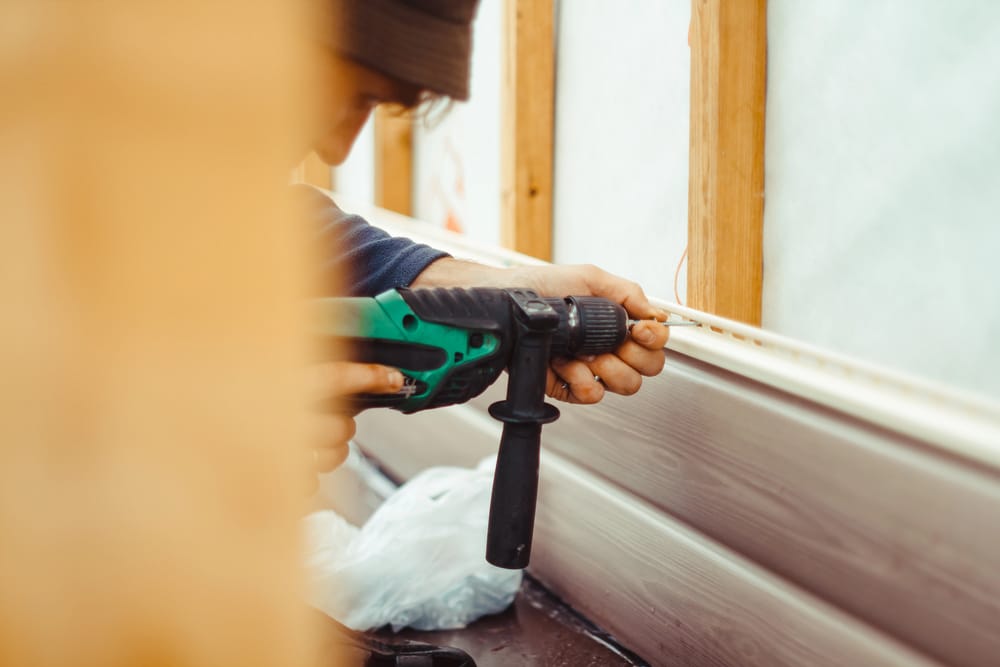
TurnKey Renovators handles every step: old siding removal, wall preparation, panel installation, and trim work. Call us at 504-527-8711 to talk through your vinyl siding project.
Quality vinyl siding typically lasts 20 to 40 years depending on the product grade, installation quality, and exposure to direct sun and storms. Thicker, premium-grade panels tend to hold up longer than entry-level options.
In some cases, yes. If the existing surface is flat, structurally sound, and free of moisture problems, new vinyl can go over it. Installing over damaged or uneven surfaces traps moisture and creates problems. We inspect your walls first and recommend the right approach.
No. Vinyl siding comes with color built into the material, so painting is not required. Some homeowners choose to repaint their vinyl a different color using exterior paints formulated for vinyl surfaces, but that adds a maintenance step the original material was designed to avoid.
A garden hose and a soft brush handle most dirt and buildup. For mildew or stubborn stains, a solution of water and mild detergent works well. Pressure washing is an option but should be done at low pressure and at a downward angle to avoid forcing water behind the panels.
Vinyl siding rated for high-wind zones can handle sustained winds up to 110 mph or higher, depending on the product. Proper installation with correct fastener spacing is just as important as the panel’s rating. No siding is completely hurricane-proof, but quality products installed correctly perform well in most storm conditions here in Southeast Louisiana.
On its own, vinyl siding provides a layer of weather protection but limited insulation value. Some homeowners choose insulated vinyl siding products, which have a foam backing built into the panel. These products can improve thermal performance and reduce energy costs. Ask about insulation options during your consultation.
Most residential vinyl siding projects take one to two weeks depending on the home’s size, the amount of prep work needed, and weather conditions. We provide an estimated timeline during your consultation so you know what to expect.


The expertise and attention to detail displayed by their team during my bathroom renovation were beyond impressive. From the initial design phase to the final touches, they ensured every aspect was tailored to my preferences, resulting in a stunning and functional space. I couldn’t be happier with the results!


I hired Turnkey Renovators for a concrete project, and they exceeded my expectations. Their skilled team poured a sturdy and visually appealing concrete patio in my backyard. I’m thrilled with the quality of their work. I highly recommend this company.
The demolition work done by their team was swift and efficient. They cleared out an old shed on my property, leaving no trace behind. It was impressive to see how quickly they got the job done. I am very satisfied with the outcome.
I recently had Turnkey Renovators tackle a drywall project in my home. The smooth finish and attention to imperceptible details showcased their commitment to delivering a polished and aesthetically pleasing result, and now my walls look flawless. Their attention to detail is remarkable!
I hired them for a painting project in my living room, and I’m extremely pleased with the results. The attention to detail and choice of high-quality paints made a significant difference in the overall aesthetic, and the room looks brand new. It looks better than ever! I highly recommend their painting services.
When it comes to fencing, This company is the go-to choice. They installed a beautiful cedar fence around my backyard, providing both privacy and style. It has truly transformed my outdoor space. I will definitely us them again for my siding project!
They completely re-roofed my house, and the quality of their roofing work is exceptional. Their team not only executed the installation flawlessly but also provided valuable insights on choosing the right materials, ensuring my roof stands the test of time. My new roof has greatly improved the overall look and value of my home. Highly recommend Turnkey Renovators!

