

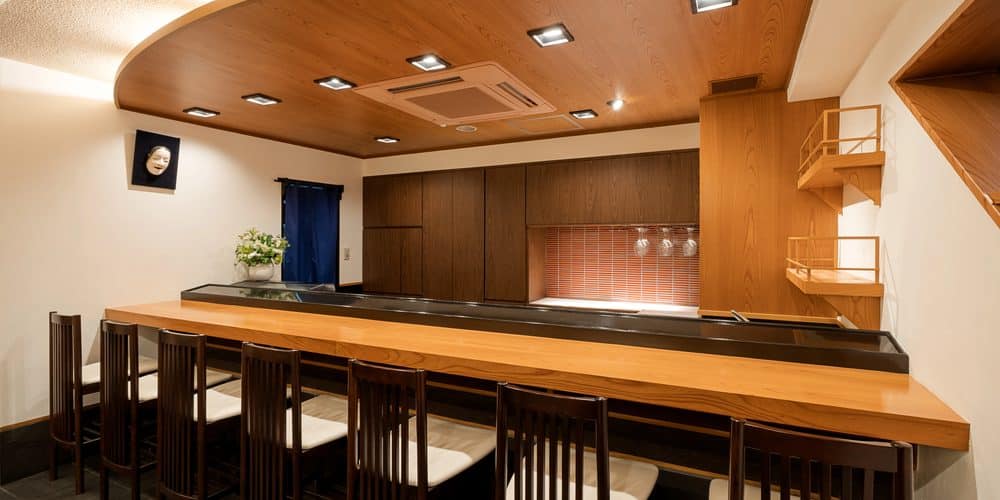
TurnKey Renovators provides full-service restaurant renovation throughout the Greater New Orleans area. From kitchen layout reconfiguration and ventilation to dining room, bar, and front-of-house finish upgrades, we handle every phase of your restaurant renovation while coordinating with local health department and fire code requirements.
Get a free estimate on your restaurant renovation in New Orleans and surrounding parishes.
A restaurant renovation in New Orleans involves updating or reconfiguring any combination of kitchen, dining, bar, and restroom areas to improve function, meet current codes, or refresh the space for rebranding. The scope ranges from cosmetic dining room updates to full kitchen demolition and rebuild.
New Orleans restaurants face specific renovation challenges that most commercial spaces do not. Kitchen ventilation systems must comply with Louisiana Department of Health requirements under the Sanitary Code (Title 51, Part XXIII), and plans and specifications must be approved before any construction begins.
Grease trap sizing, hood suppression systems, and floor drainage all have to meet local fire marshal and plumbing codes before you can pass final inspection.
TurnKey Renovators coordinates these requirements from the start of your project so code compliance is built into the design, not patched in later.
Not every restaurant renovation requires a full teardown. Many owners need targeted work on specific zones that affect daily operations, customer flow, or code compliance.
 Kitchen and Back-of-House: Line layout reconfiguration, new hood and ventilation systems, walk-in cooler placement, commercial plumbing for three-compartment sinks, grease traps, and floor drains. We also handle wall and ceiling finishes rated for commercial kitchen environments.
Restaurant renovations carry requirements that offices, retail spaces, and medical facilities do not. Understanding these differences before your project starts prevents delays, failed inspections, and unexpected costs.
Louisiana requires a plan review through the Department of Health before any restaurant construction or renovation begins. This review covers kitchen layout, equipment placement, ventilation, plumbing, food storage, and surface materials. Your general contractor needs to account for this approval step in the project timeline.
Restaurants also require specialized mechanical systems that go beyond standard commercial HVAC. Kitchen hood exhaust, makeup air units, grease duct cleaning access, and fire suppression systems all have specific installation codes. Floor surfaces in food prep areas must be smooth, non-absorbent, and graded to drain.
Beyond construction, New Orleans restaurants in historic districts may require approval from the Historic District Landmarks Commission (HDLC) or the Vieux Carré Commission (VCC) before exterior changes or visible interior modifications can proceed. Permits in these districts also carry a 50% surcharge on standard fees.
Every restaurant renovation follows a phased approach to keep your project organized and your downtime as short as possible.
 Consultation and Site Assessment: We walk your space, discuss your goals, and identify structural, mechanical, and code issues that will shape the renovation scope.
Restaurant renovation costs depend on the scope and complexity of the work. Without seeing your space, no contractor can give an accurate number, but these are the factors that most commonly drive the budget.
Missed deadlines on a restaurant renovation cost you revenue every day the doors stay closed. Choosing a contractor with the right license, local experience, and a track record of on-time completion protects your investment and your opening date.
 Licensed Commercial Contractor: TurnKey Renovators holds Louisiana Commercial License #3667 and Residential License #890459. We have 15 years of renovation experience across commercial and residential properties in the Greater New Orleans area.
Every day a restaurant stays closed for renovation is lost revenue, and every failed inspection pushes your opening further back. Working with a licensed contractor who understands Louisiana health codes, fire safety requirements, and New Orleans permitting from day one keeps your project moving and your timeline intact.
At TurnKey Renovators, we handle restaurant renovations across the Greater New Orleans area from first walkthrough to final inspection.
Call us today at504-527-8711to get started!
Timelines depend on the scope. A dining room refresh with new flooring, paint, and lighting can take two to four weeks. A full kitchen and dining room renovation with mechanical system upgrades and permitting typically runs two to four months. Historic district approvals can add additional time.
Yes. TurnKey Renovators frequently phases restaurant renovations to allow partial operation during construction. This may involve completing the dining room while the kitchen stays active, or working during off-hours and closed days to minimize disruption.
If your renovation involves changes to the kitchen layout, food preparation areas, ventilation, or plumbing, the Louisiana Department of Health requires an approved plan review before construction begins. Cosmetic updates to the dining room that do not affect food service areas may not require this review.
Most restaurant renovations require a building permit from the City of New Orleans Department of Safety and Permits. If the work involves electrical, plumbing, or mechanical changes, separate trade permits are required. Properties in historic districts also need approval from the HDLC or VCC. Commercial permit processing in New Orleans typically takes 10 to 15 days.
Yes. If you are leasing a shell space or converting a non-restaurant space into a food service operation, TurnKey Renovators handles the full commercial interior build-out process from permitting through certificate of occupancy.
Yes. Running kitchen and dining room renovations simultaneously is often the fastest path to completion. We sequence the work so trades are not competing for the same space, and all mechanical rough-in is completed before finish work begins.
Commercial kitchens require smooth, non-absorbent flooring that drains properly, such as quarry tile or sealed concrete. Dining rooms offer more flexibility, including porcelain tile, luxury vinyl plank, stained concrete, or hardwood, depending on the restaurant’s style and foot traffic levels.
If you are adding or relocating cooking equipment, your fire suppression system may need to be modified or replaced to cover the new layout. The local fire marshal reviews and approves these systems during the inspection process.


The expertise and attention to detail displayed by their team during my bathroom renovation were beyond impressive. From the initial design phase to the final touches, they ensured every aspect was tailored to my preferences, resulting in a stunning and functional space. I couldn’t be happier with the results!


I hired Turnkey Renovators for a concrete project, and they exceeded my expectations. Their skilled team poured a sturdy and visually appealing concrete patio in my backyard. I’m thrilled with the quality of their work. I highly recommend this company.
The demolition work done by their team was swift and efficient. They cleared out an old shed on my property, leaving no trace behind. It was impressive to see how quickly they got the job done. I am very satisfied with the outcome.
I recently had Turnkey Renovators tackle a drywall project in my home. The smooth finish and attention to imperceptible details showcased their commitment to delivering a polished and aesthetically pleasing result, and now my walls look flawless. Their attention to detail is remarkable!
I hired them for a painting project in my living room, and I’m extremely pleased with the results. The attention to detail and choice of high-quality paints made a significant difference in the overall aesthetic, and the room looks brand new. It looks better than ever! I highly recommend their painting services.
When it comes to fencing, This company is the go-to choice. They installed a beautiful cedar fence around my backyard, providing both privacy and style. It has truly transformed my outdoor space. I will definitely us them again for my siding project!
They completely re-roofed my house, and the quality of their roofing work is exceptional. Their team not only executed the installation flawlessly but also provided valuable insights on choosing the right materials, ensuring my roof stands the test of time. My new roof has greatly improved the overall look and value of my home. Highly recommend Turnkey Renovators!

