

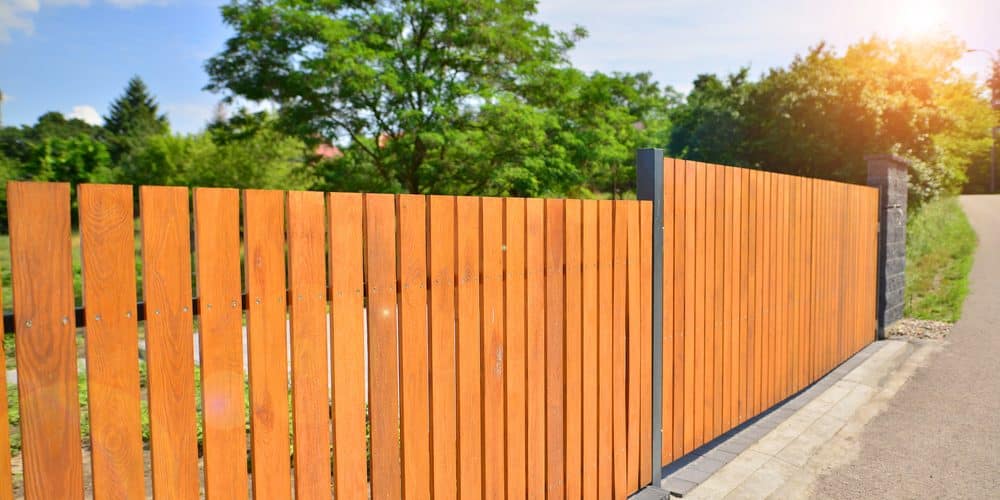
TurnKey Renovators installs wood fencing for homeowners across Greater New Orleans and the surrounding parishes. We build privacy, shadowbox, and picket fences using pressure-treated pine and cedar lumber, with custom gates and hardware sized to fit your property.
Whether you need full backyard screening or a front yard picket fence that meets historic district guidelines, our crews build for New Orleans heat, humidity, and storm seasons. Contact us today to get a free quote on your new wood fence in New Orleans.
Wood fencing is the most common residential fencing material in the New Orleans area because it offers privacy, curb appeal, and adaptability at a lower entry cost than metal or composite alternatives. Wood can be stained, painted, or left natural to complement nearly any home style, from Uptown Victorians to Lakeview ranch homes.
New Orleans has a long history with wood fences. Traditional picket fences have lined front yards across the city’s historic neighborhoods for over a century, while solid board privacy fences have become the standard for backyard enclosures in Jefferson and Orleans Parishes.
Unlike prefabricated vinyl or aluminum panels, wood fencing can be built to custom dimensions. If your property has uneven terrain, multiple access points, or specific height requirements, wood framing adapts to those conditions without the limitations of pre-sized panels.
TurnKey Renovators installs three primary wood fence styles: privacy, shadowbox, and picket. Each style serves a different purpose depending on your property layout, your neighborhood, and how you use your outdoor space.
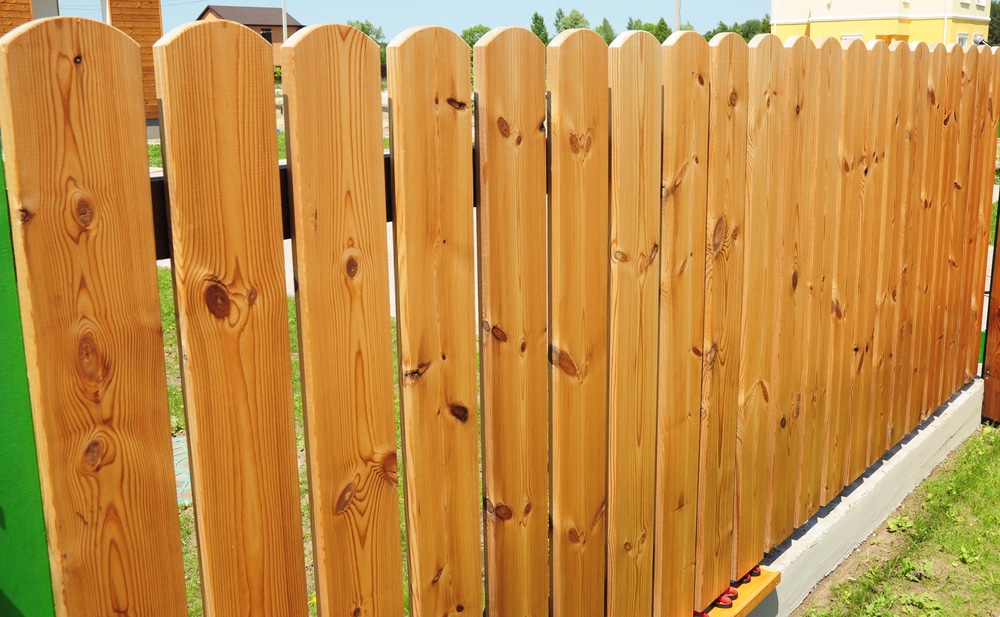
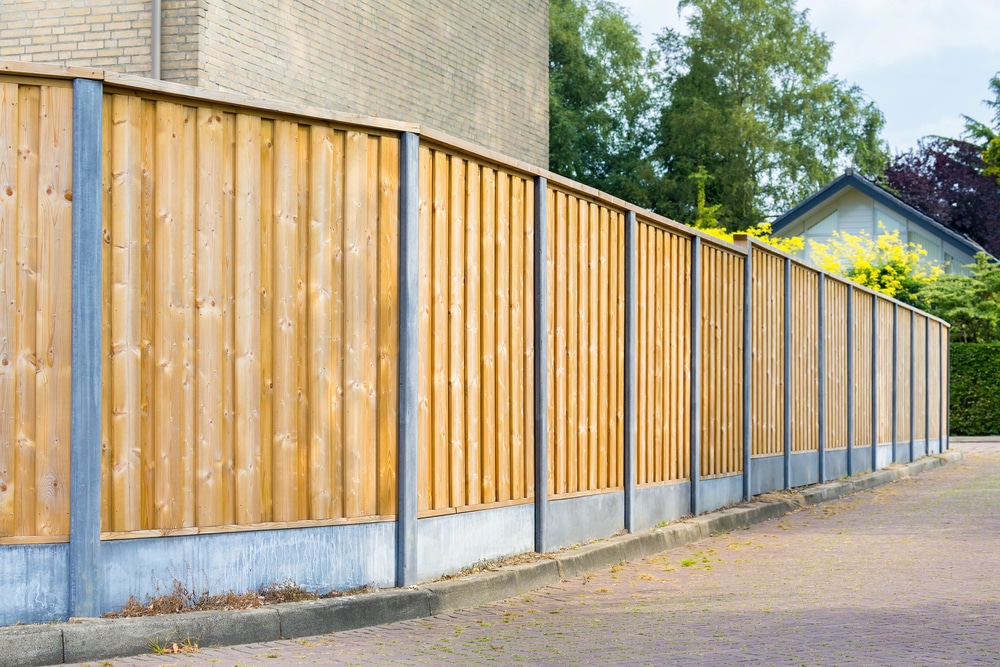
Privacy fences use tightly spaced vertical boards attached to horizontal rails, creating a solid barrier with no gaps between pickets. This is the most common choice for backyard enclosures in New Orleans, where homeowners want full screening from neighbors and street traffic. Standard privacy fences are typically six feet tall, though height can be adjusted based on your lot and local regulations.
Shadowbox fences alternate boards on opposite sides of the horizontal rails, leaving a narrow gap between each board. This creates partial visibility and better airflow while still limiting direct sightlines. The alternating pattern looks finished from both sides of the fence, making it a popular choice for shared property lines.
Picket fences feature evenly spaced vertical boards, usually three to four feet tall, with pointed or flat tops. Picket fencing is commonly used for front yards, garden borders, and property line definition. In New Orleans historic districts, open-style fencing like picket designs is often required for front yards under the city’s Comprehensive Zoning Ordinance.
Choosing the right lumber is one of the most consequential decisions in a wood fencing project, especially in south Louisiana where humidity and insect activity are year-round concerns. TurnKey Renovators works with two primary wood types: pressure-treated pine and cedar.
Pressure-treated pine is the most widely used fencing lumber in the region. The treatment process infuses preservatives into the wood under high pressure, giving it resistance to rot, fungal decay, and termite damage. It is affordable and readily available, making it the standard for most residential fence projects. The tradeoff is that it requires sealing or staining every two to three years to prevent warping and discoloration from UV exposure and moisture.
Cedar is naturally resistant to rot and insects without chemical treatment. It holds its shape better than treated pine in humid conditions and is less prone to warping and splitting over time. Cedar costs more upfront, but many homeowners find that the reduced maintenance and longer lifespan offset the initial investment. Pre-stained cedar provides the best long-term protection because every surface is sealed before installation, including areas that become inaccessible once the fence is assembled.
Wood fences in the New Orleans climate face constant exposure to moisture, heat, and occasional storm damage. Knowing when to repair versus replace saves money and prevents small problems from becoming structural failures.
TurnKey Renovators inspects the full fence line during your estimate to identify which areas need targeted repair and which sections have deteriorated beyond the point where patching is cost-effective.
Every TurnKey Renovators wood fencing project follows a defined scope of work from planning through final walkthrough.
Wood fencing costs vary based on several project-specific factors. TurnKey Renovators provides detailed estimates so you understand where your budget is going before work begins.
Hiring an unlicensed contractor for fence installation in Louisiana often leads to posts set too shallow, incorrect spacing, and fences that lean or fail within a few years. TurnKey Renovators brings licensed crews and a structured project management process to every fencing job.
 Licensed and insured: TurnKey Renovators holds Louisiana Residential Contractor License #890459 and Commercial Contractor License #3667.
A properly installed wood fence defines your property line and increases your home’s outdoor usability for years. The difference between a fence that lasts five years and one that lasts twenty comes down to materials, installation technique, and the depth of the posts in the ground.
TurnKey Renovators has been building and renovating homes across the Greater New Orleans area for over 15 years. Call us at 504-527-8711 to schedule your free consultation to discuss your wood fencing project and get a detailed estimate.


The expertise and attention to detail displayed by their team during my bathroom renovation were beyond impressive. From the initial design phase to the final touches, they ensured every aspect was tailored to my preferences, resulting in a stunning and functional space. I couldn’t be happier with the results!


I hired Turnkey Renovators for a concrete project, and they exceeded my expectations. Their skilled team poured a sturdy and visually appealing concrete patio in my backyard. I’m thrilled with the quality of their work. I highly recommend this company.
The demolition work done by their team was swift and efficient. They cleared out an old shed on my property, leaving no trace behind. It was impressive to see how quickly they got the job done. I am very satisfied with the outcome.
I recently had Turnkey Renovators tackle a drywall project in my home. The smooth finish and attention to imperceptible details showcased their commitment to delivering a polished and aesthetically pleasing result, and now my walls look flawless. Their attention to detail is remarkable!
I hired them for a painting project in my living room, and I’m extremely pleased with the results. The attention to detail and choice of high-quality paints made a significant difference in the overall aesthetic, and the room looks brand new. It looks better than ever! I highly recommend their painting services.
When it comes to fencing, This company is the go-to choice. They installed a beautiful cedar fence around my backyard, providing both privacy and style. It has truly transformed my outdoor space. I will definitely us them again for my siding project!
They completely re-roofed my house, and the quality of their roofing work is exceptional. Their team not only executed the installation flawlessly but also provided valuable insights on choosing the right materials, ensuring my roof stands the test of time. My new roof has greatly improved the overall look and value of my home. Highly recommend Turnkey Renovators!

