

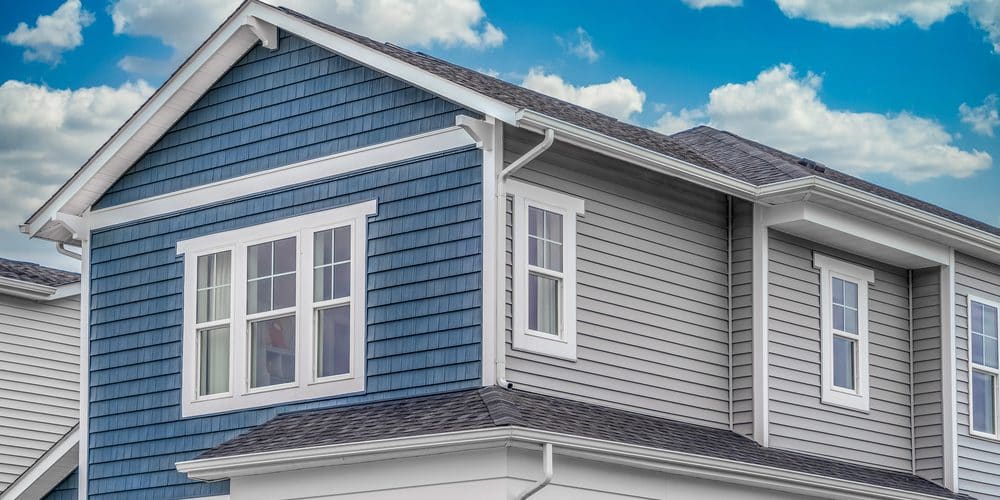
TurnKey Renovators installs fiber cement siding for homes and businesses across the Greater New Orleans area. This premium material combines cement, sand, and cellulose fibers into panels that resist moisture, rot, termites, and fire while giving your property a clean, updated appearance.
Available styles replicate wood lap siding, shingles, and smooth panels, and every installation includes sealed edges and matching trim for a finished, weather-tight look.
Tell us about your fiber cement siding project and request a free estimate today.
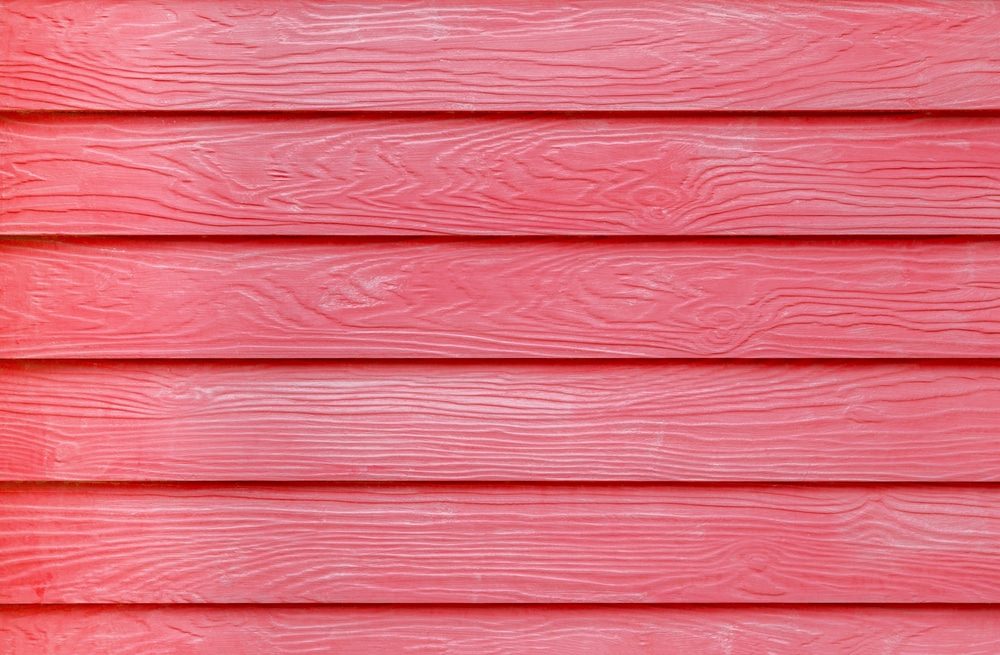 Fiber cement siding is an engineered composite made from cement, sand, water, and cellulose fibers. The cement provides structural strength, the sand adds stability, and the cellulose fibers allow slight flexibility that reduces cracking over time.
This combination produces panels that can be manufactured to look like traditional wood clapboard, shingle, or board-and-batten siding. You get the appearance of natural wood without the ongoing problems that come with it in a humid climate.
Fiber cement is heavier and thicker than vinyl, which contributes to its impact resistance and sound-dampening properties. It holds paint well and can be factory-finished with baked-on color coatings that resist fading, peeling, and chipping for 15 years or more before repainting is needed.
New Orleans homes face a combination of high humidity, heavy rainfall, intense UV exposure, and hurricane-season winds. These conditions wear down many siding materials faster than they would in other parts of the country.
Fiber cement handles these conditions well for several reasons:
When you choose TurnKey Renovators for your fiber cement siding project, our team handles the full scope of work from start to finish:
 Inspection and assessment: We examine your existing siding, sheathing, and moisture barriers to identify any underlying damage before installation begins.
Fiber cement is available in several profiles that suit different architectural styles found across New Orleans neighborhoods:
Color options are wide-ranging. Factory-finished panels come in dozens of colors with baked-on coatings that last longer than field-applied paint. You can also choose primed panels and have them painted on-site to match a specific color.
Not every siding issue calls for full replacement. Small cracks, minor dents, or isolated damage can often be repaired. However, replacement becomes the better option when damage is widespread or the material itself is failing.
Signs that point toward replacement include large or spreading cracks that allow water behind the panels, visible rot or soft spots in wood siding, warped or buckling panels that no longer sit flat, persistent mold or mildew that returns after cleaning, peeling or bubbling paint across multiple areas, and noticeably higher energy bills caused by poor insulation.
If your current siding is vinyl that has become brittle or wood that requires constant repainting and sealing, upgrading to fiber cement can reduce long-term maintenance while improving your home’s protection against weather and pests.
Several factors influence the overall cost of a fiber cement siding project. While we provide specific pricing through free consultations, these are the main variables:
 Home size and layout: Larger homes require more material and labor. Multi-story homes or homes with complex rooflines, dormers, and multiple corners take more time to complete.
Choosing the right contractor matters just as much as choosing the right siding material. Here’s what sets TurnKey Renovators apart on every fiber cement project.
Your siding is your home’s first line of defense against everything the Gulf Coast climate throws at it. Professional fiber cement installation gives you decades of protection without the constant upkeep that wood and vinyl demand.
TurnKey Renovators will walk you through your options, handle the full installation, and leave you with an exterior that looks great and performs even better. Call us now to schedule your free consultation today.
Fiber cement siding has an expected lifespan of 50 years or more with proper installation and basic maintenance. Manufacturer warranties typically cover 30 to 50 years depending on the product line.
Factory-finished panels with baked-on color coatings can go 15 years or more before repainting. Primed panels that are painted on-site may need repainting every 8 to 12 years depending on sun exposure and weather conditions.
Yes. Fiber cement panels are significantly heavier than vinyl, which is why professional installation matters. The added weight also contributes to better impact resistance and wind performance.
In some cases, yes, but a professional evaluation is needed. The existing siding must be flat, in good condition, and structurally sound. In most situations, removing old siding first produces better long-term results.
On its own, fiber cement has a modest R-value similar to other siding materials. However, its thickness and density help reduce air infiltration, and it pairs well with foam board or insulating sheathing installed behind the panels to significantly improve your home’s overall energy performance.
Fiber cement siding replacement consistently ranks among the highest-return exterior improvements for resale value, with homeowners typically recouping a significant portion of their investment.


The expertise and attention to detail displayed by their team during my bathroom renovation were beyond impressive. From the initial design phase to the final touches, they ensured every aspect was tailored to my preferences, resulting in a stunning and functional space. I couldn’t be happier with the results!


I hired Turnkey Renovators for a concrete project, and they exceeded my expectations. Their skilled team poured a sturdy and visually appealing concrete patio in my backyard. I’m thrilled with the quality of their work. I highly recommend this company.
The demolition work done by their team was swift and efficient. They cleared out an old shed on my property, leaving no trace behind. It was impressive to see how quickly they got the job done. I am very satisfied with the outcome.
I recently had Turnkey Renovators tackle a drywall project in my home. The smooth finish and attention to imperceptible details showcased their commitment to delivering a polished and aesthetically pleasing result, and now my walls look flawless. Their attention to detail is remarkable!
I hired them for a painting project in my living room, and I’m extremely pleased with the results. The attention to detail and choice of high-quality paints made a significant difference in the overall aesthetic, and the room looks brand new. It looks better than ever! I highly recommend their painting services.
When it comes to fencing, This company is the go-to choice. They installed a beautiful cedar fence around my backyard, providing both privacy and style. It has truly transformed my outdoor space. I will definitely us them again for my siding project!
They completely re-roofed my house, and the quality of their roofing work is exceptional. Their team not only executed the installation flawlessly but also provided valuable insights on choosing the right materials, ensuring my roof stands the test of time. My new roof has greatly improved the overall look and value of my home. Highly recommend Turnkey Renovators!

