

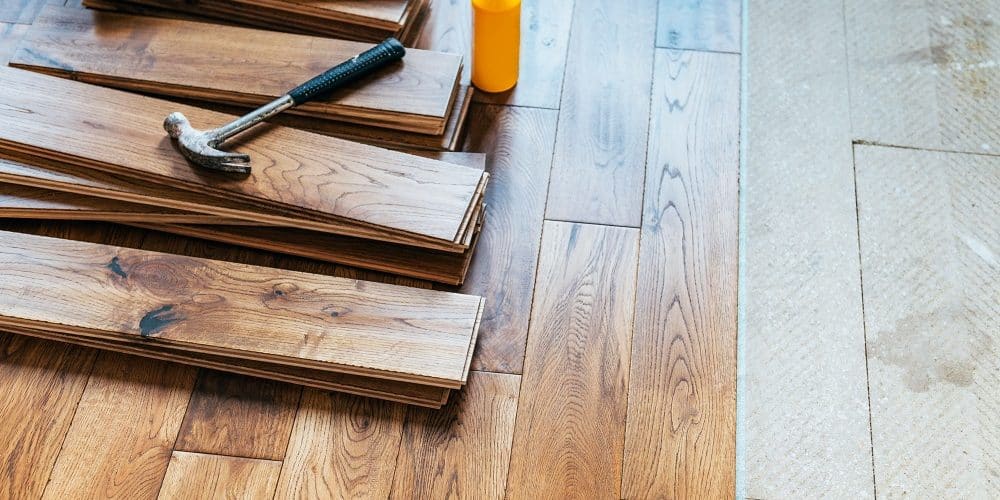
Flooring affects how every room in your home looks and functions, and in Greater New Orleans, the material you choose and how it is installed both matter. High humidity, slab foundations, and the wear that comes with daily use all influence which floors hold up and which ones don’t.
At TurnKey Renovators, we install hardwood, tile, and luxury vinyl plank flooring for homeowners throughout Greater New Orleans. Every project includes subfloor inspection and leveling, full material installation, transitions, trim, and final site cleanup.
Contact us today to get started!
Flooring Options We Install
Each flooring material suits different rooms, moisture conditions, and subfloor types. Here is what to know about each option before making a decision.
Hardwood flooring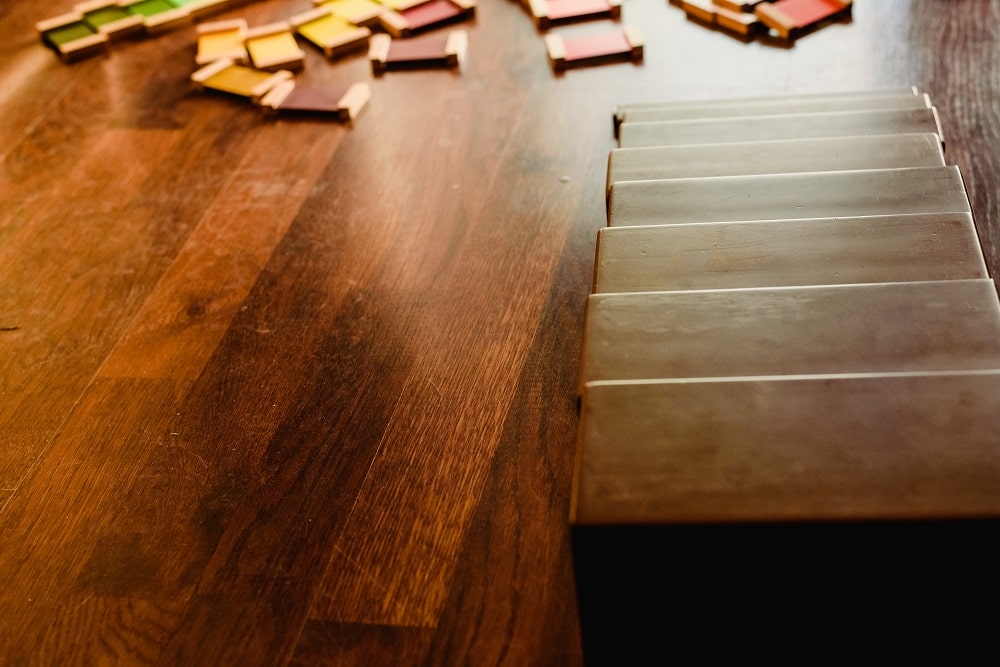 works well in living rooms, bedrooms, dining rooms, and hallways. Engineered hardwood handles humidity fluctuations better than solid hardwood, making it the more practical choice for Greater New Orleans homes with slab foundations or higher moisture exposure. Solid hardwood is a good fit for rooms above a wood subfloor with stable conditions.
Both options can be sanded and refinished, though engineered hardwood supports fewer refinishing cycles depending on the veneer thickness. Species selection affects durability as well: harder species like oak and hickory hold up better in high-traffic rooms than softer options.
Tile flooring is the standard choice for kitchens, bathrooms, laundry rooms, and any space where moisture and easy maintenance are priorities. Many New Orleans homeowners also install large-format tile throughout first-floor living areas for a consistent look that holds up in heat and humidity without warping or swelling.
Porcelain and ceramic tile are both available. Porcelain offers higher density and lower water absorption, making it the better fit for rooms with direct water exposure like showers, mudrooms, and laundry areas.
Luxury vinyl plank is a scratch- and moisture-resistant floating floor available in a wide range of wood-look styles and finishes. It is softer underfoot than tile, holds up better in damp conditions than hardwood, and installs in any room of the house, including kitchens and bathrooms.
Most LVP installs as a floating floor over a prepared subfloor, which makes it more forgiving on surfaces with minor imperfections. Wear layer thickness varies by product, and thicker wear layers hold up longer in high-traffic areas like hallways and living rooms.
It is also one of the easier materials to repair if a section gets damaged, since individual planks can be replaced without pulling up the entire floor.
Every flooring project we complete covers the full scope from prep through final walkthrough:
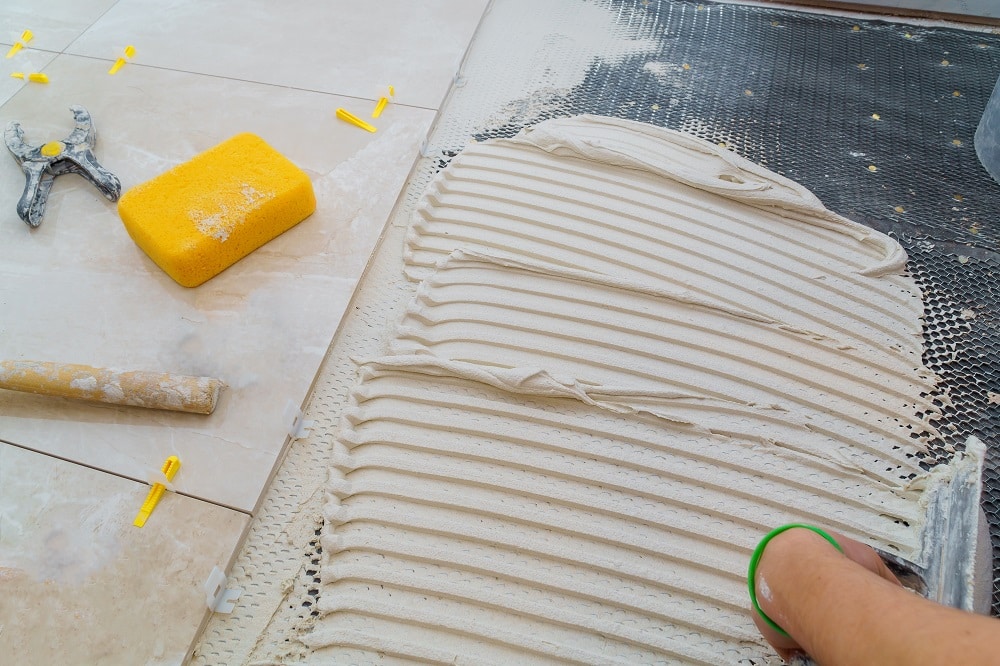 Subfloor evaluation: Soft spots, uneven sections, moisture damage, and height inconsistencies are all addressed before any material goes down. The condition of your subfloor determines which flooring options are viable and what additional prep is needed.
Several factors determine the total cost of a flooring project. We walk through all of them during the estimate so there are no surprises once work begins:
Not every flooring contractor handles subfloor prep, finishing details, and site cleanup as part of the job. Here is what sets us apart from other flooring installers in the Greater New Orleans area:
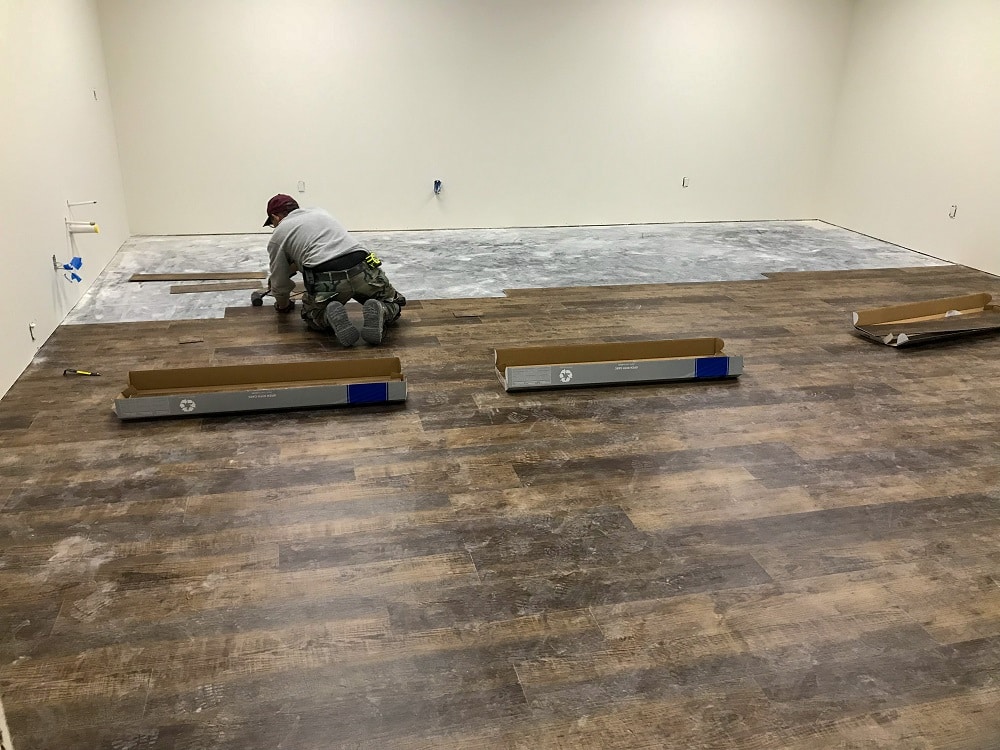 No subcontracting: The same crew that handles subfloor preparation completes the installation and finishing details. There is no handoff between crews mid-project, and you deal with one point of contact throughout.
New flooring that is rushed or improperly prepared shows problems quickly: squeaking, uneven wear, and gaps that open up within months. Subfloor prep, correct material selection for each room, and clean installation details are what determine whether a floor holds up over the long term in a Greater New Orleans home. Getting those steps right from the start avoids repairs and replacements down the road.
Call us at 504-527-8711 or schedule a free consultation to discuss your project and get a detailed estimate.
A single room typically takes one to two days once materials are delivered and acclimated. Multi-room projects covering most of a home generally run three to five days depending on the material type and subfloor condition.
Yes. Hardwood requires an acclimation period before installation so the wood adjusts to your home’s moisture levels. Floating floors like LVP need proper expansion gaps at every wall. Both steps are non-negotiable in a high-humidity climate: skipping them causes buckling, gapping, and movement after installation.
In some cases, yes. LVP and certain tile installations can go over an existing floor if the surface is flat, stable, and within acceptable height tolerances for doors and transitions. We assess the existing floor during the estimate and let you know if removal is needed first.
Solid hardwood is milled from a single piece of wood and can be refinished multiple times, but it expands and contracts more with humidity. Engineered hardwood has a real wood veneer bonded to a plywood or HDF core, making it more stable in humid conditions. For homes with slab foundations or rooms with higher moisture exposure, engineered hardwood is generally the better fit.
Yes. If your current floor needs to come out before the new material goes down, our team handles the removal and disposal as part of the project scope.
The main factors are moisture exposure, subfloor type, and how much foot traffic the room gets. Bathrooms and kitchens do best with tile or LVP. Bedrooms and living rooms can handle all three options. We walk through the tradeoffs for each room during the estimate.
We install flooring for single rooms and whole-home projects alike. There is no minimum room requirement.


The expertise and attention to detail displayed by their team during my bathroom renovation were beyond impressive. From the initial design phase to the final touches, they ensured every aspect was tailored to my preferences, resulting in a stunning and functional space. I couldn’t be happier with the results!


I hired Turnkey Renovators for a concrete project, and they exceeded my expectations. Their skilled team poured a sturdy and visually appealing concrete patio in my backyard. I’m thrilled with the quality of their work. I highly recommend this company.
The demolition work done by their team was swift and efficient. They cleared out an old shed on my property, leaving no trace behind. It was impressive to see how quickly they got the job done. I am very satisfied with the outcome.
I recently had Turnkey Renovators tackle a drywall project in my home. The smooth finish and attention to imperceptible details showcased their commitment to delivering a polished and aesthetically pleasing result, and now my walls look flawless. Their attention to detail is remarkable!
I hired them for a painting project in my living room, and I’m extremely pleased with the results. The attention to detail and choice of high-quality paints made a significant difference in the overall aesthetic, and the room looks brand new. It looks better than ever! I highly recommend their painting services.
When it comes to fencing, This company is the go-to choice. They installed a beautiful cedar fence around my backyard, providing both privacy and style. It has truly transformed my outdoor space. I will definitely us them again for my siding project!
They completely re-roofed my house, and the quality of their roofing work is exceptional. Their team not only executed the installation flawlessly but also provided valuable insights on choosing the right materials, ensuring my roof stands the test of time. My new roof has greatly improved the overall look and value of my home. Highly recommend Turnkey Renovators!

