

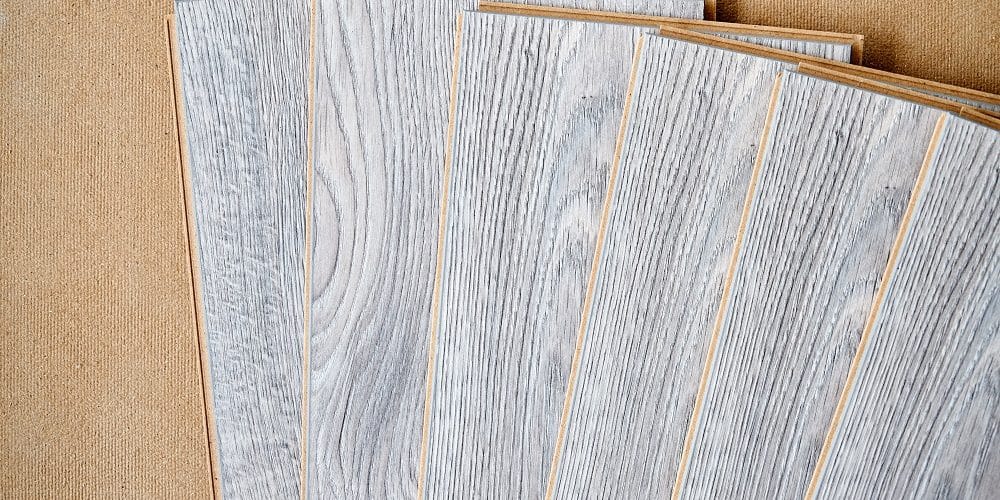
Louisiana’s humidity, temperature swings, and older housing stock make flooring decisions more complicated than they are in most parts of the country. At TurnKey Renovators, we install luxury vinyl plank (LVP) flooring for homeowners throughout New Orleans and the Greater New Orleans area, a product built specifically for the conditions that challenge traditional hardwood here.
LVP gives you the look of wood with a waterproof construction that won’t warp, buckle, or absorb moisture. It installs over concrete slabs, existing subfloors, and most hard-surface flooring, and its scratch-resistant wear layer holds up in homes with pets, kids, and heavy daily use. Styles run from wide-plank wood-grain finishes to stone-look options that work in any room.
Contact us today to request a free estimate for your LVP flooring project.
In Louisiana, flooring faces conditions that most other regions don’t. High year-round humidity, heavy rain events, and older homes with uneven or moisture-prone subfloors make traditional hardwood a difficult choice for many New Orleans properties. Luxury vinyl plank is engineered specifically for these kinds of environments: it resists moisture at the plank level and stays dimensionally stable through seasonal humidity changes where solid wood would cup or gap.
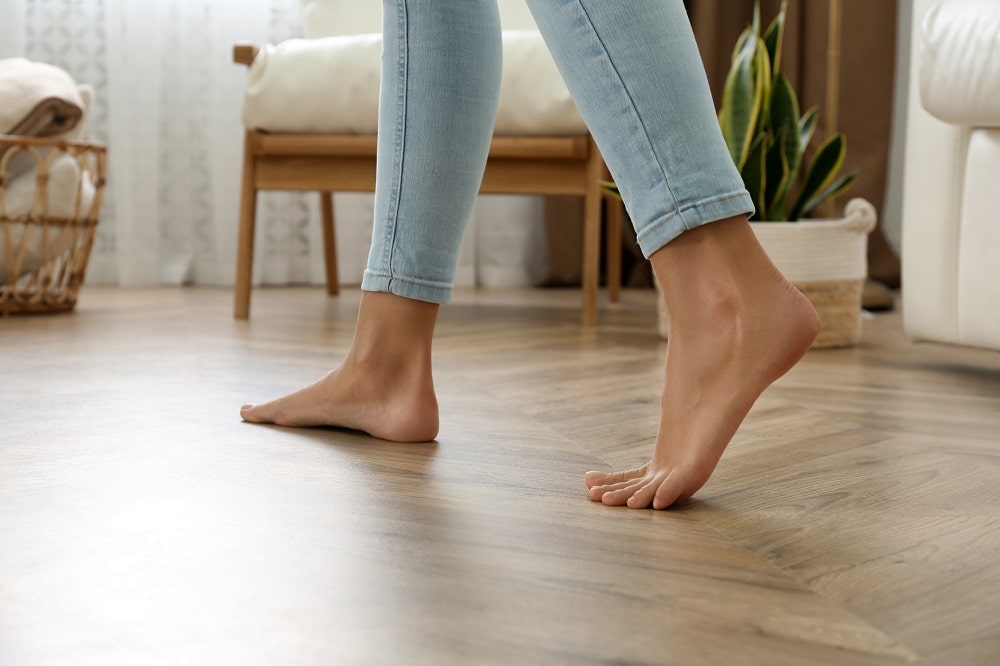 Solid hardwood expands and contracts with shifts in indoor humidity. In a climate like New Orleans, where humidity stays elevated for most of the year, that movement causes boards to cup, gap, or buckle over time. LVP’s multi-layer construction keeps it dimensionally stable, meaning the floor holds its shape and fit regardless of what the weather outside is doing.
Older New Orleans homes often have concrete slab foundations, which can hold residual moisture that damages flooring installed without proper prep. Unlike hardwood, LVP does not absorb moisture from below. When paired with a vapor barrier on slab-on-grade construction, it performs reliably in conditions that would compromise a wood floor within a few years.
Hardwood floors require refinishing every several years to address scratching and surface wear, and they cannot be installed in bathrooms, laundry rooms, or below-grade spaces. LVP handles all of those rooms without special treatment. The wear layer protects against daily scratching, and the waterproof core means spills and humidity don’t require immediate attention the way they would on wood.
Once installed, LVP requires nothing beyond regular sweeping and occasional damp mopping with a cleaner designed for vinyl. There is no refinishing, no sealing, and no waxing. The floor looks the same five years after installation as it did on day one, provided it’s cleaned with appropriate products and heavy furniture sits on felt pads to prevent indentation.
Our LVP installation covers every step from subfloor prep through finished trim work. Nothing is left incomplete or handed back to you as a follow-up task.
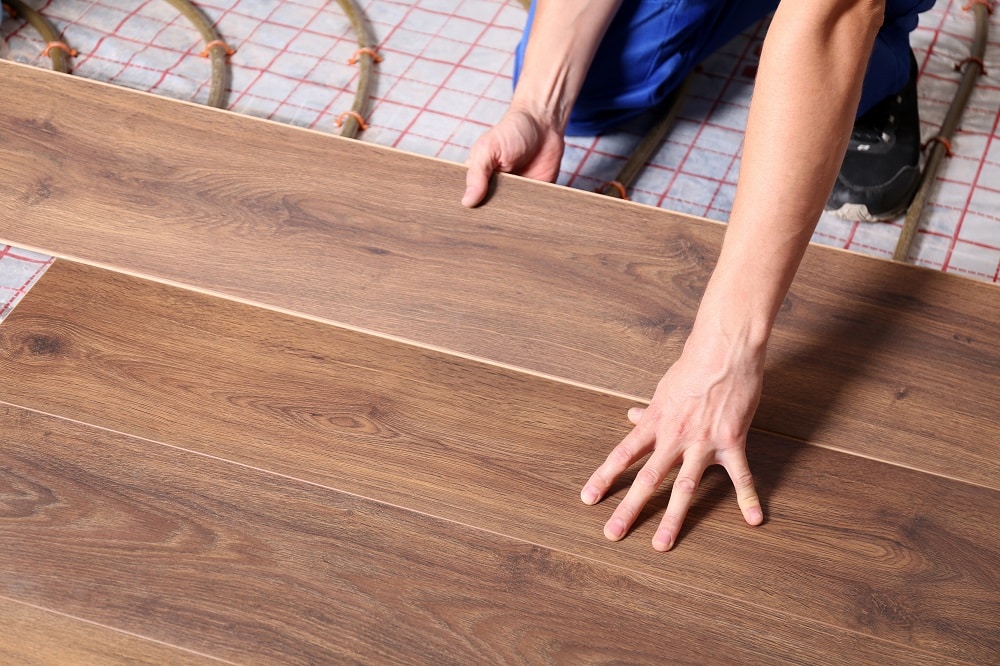
Before any planks go down, we inspect the subfloor for levelness, structural integrity, and moisture. On concrete slabs, we test for moisture vapor and install a vapor barrier where readings call for it. This step is frequently skipped by installers working quickly, but it’s what separates a floor that holds up from one that develops soft spots, odors, or lifting seams over time.
If your current flooring needs to come out, we handle removal and disposal as part of the project. We assess whether removal is necessary based on the condition and height of the existing surface: in some cases, LVP can float directly over it, saving time and cost.
We complete the full plank layout including all cuts at doorways, closets, and irregular wall edges. Underlayment is selected based on your specific subfloor type, whether that’s concrete, plywood, or an existing hard surface. Every detail of the installation is finished before we leave.
Baseboards, transition strips, and quarter-round molding are reinstalled or replaced as part of the job. You receive a finished floor with all the edge and transition details completed, not a floor that still needs a trim installer to follow up behind us.
Choosing the right LVP product comes down to three decisions: core construction, wear layer thickness, and plank dimensions. Each one affects how the floor performs in your specific rooms and household.
 WPC (Wood-Polymer Composite): Softer underfoot with better sound absorption, works well in bedrooms, living rooms, and areas where comfort underfoot matters
Damaged or aging flooring can often be repaired if the issue is isolated. When damage is widespread or the subfloor itself is involved, a full replacement is the more practical path. Common indicators that it’s time to replace your floors with LVP include:
If you’re uncertain whether you need repair or replacement, our team assesses the condition of both the surface flooring and the subfloor during the estimate visit.
A flooring project in New Orleans that skips steps early creates problems that show up months later, in lifting seams, moisture damage, or floors that feel uneven underfoot. Every TurnKey Renovators LVP installation follows a structured process from the first site visit through the final walkthrough, with no phases rushed or handed off.
Flooring installation in New Orleans requires specific knowledge of local subfloor conditions, slab-on-grade construction, and the moisture challenges that come with Louisiana’s climate. General flooring installers unfamiliar with the region’s building stock often skip moisture mitigation steps that matter here.
 15 years of local experience: We have served more than 1,000 homeowners and businesses across the Greater New Orleans area, including interior flooring, kitchen renovations, bathroom remodels, and exterior construction
Floors installed without proper moisture preparation in New Orleans don’t just fail early. They create subfloor problems that cost more to fix than the original installation. Getting the prep right the first time protects both your flooring investment and the structure underneath it.
TurnKey Renovators has 15 years of renovation experience serving homeowners and businesses across Greater New Orleans and understands what Louisiana’s climate demands from both the product and the installation.
Call us today at 504-527-8711 to get a detailed estimate for your LVP project.
LVP planks themselves are fully waterproof at the plank level and won’t absorb moisture. The vulnerability is at the seams and edges, where water can migrate to the subfloor if transitions aren’t sealed properly and if subfloor moisture testing was skipped. Professional installation with correct subfloor prep is what makes the floor perform the way the product is rated.
In many cases, yes. LVP can float over existing hard-surface flooring if the surface is flat, firmly bonded, and the added height won’t cause clearance problems at doors or transitions. Our team evaluates the existing floor at the estimate visit before recommending whether to install over it or remove it.
High-quality LVP with a 12-mil wear layer typically lasts 15 to 25 years with proper maintenance. Products with a 20-mil or thicker wear layer can last longer in high-traffic areas. Lifespan depends on foot traffic levels, whether furniture pads are used under heavy pieces, and how consistently the floor is cleaned according to the manufacturer’s guidance.
Yes. LVP installs on stairs using stair-nose trim pieces that cap the leading edge of each step. This creates a cohesive, finished look if you’re running LVP through a multi-level home and want consistent flooring throughout.
LVP is dimensionally stable and handles humidity variation far better than hardwood. SPC-core products are especially stable in climates with wide seasonal swings. During installation, we leave the correct perimeter expansion gap required by the manufacturer to allow for any minor movement without buckling.
Yes, for floating (click-lock) installations. Individual planks can be removed and replaced without disturbing the rest of the floor. Glue-down installations are more difficult to repair without visible patching, which is a factor we consider when recommending installation methods for each room.
Yes. LVP is one of the better flooring choices for slab-on-grade construction common in the New Orleans area. It doesn’t require nailing or fastening into the slab, and when installed with a vapor barrier on slabs showing any moisture vapor, it performs reliably over the long term.


The expertise and attention to detail displayed by their team during my bathroom renovation were beyond impressive. From the initial design phase to the final touches, they ensured every aspect was tailored to my preferences, resulting in a stunning and functional space. I couldn’t be happier with the results!


I hired Turnkey Renovators for a concrete project, and they exceeded my expectations. Their skilled team poured a sturdy and visually appealing concrete patio in my backyard. I’m thrilled with the quality of their work. I highly recommend this company.
The demolition work done by their team was swift and efficient. They cleared out an old shed on my property, leaving no trace behind. It was impressive to see how quickly they got the job done. I am very satisfied with the outcome.
I recently had Turnkey Renovators tackle a drywall project in my home. The smooth finish and attention to imperceptible details showcased their commitment to delivering a polished and aesthetically pleasing result, and now my walls look flawless. Their attention to detail is remarkable!
I hired them for a painting project in my living room, and I’m extremely pleased with the results. The attention to detail and choice of high-quality paints made a significant difference in the overall aesthetic, and the room looks brand new. It looks better than ever! I highly recommend their painting services.
When it comes to fencing, This company is the go-to choice. They installed a beautiful cedar fence around my backyard, providing both privacy and style. It has truly transformed my outdoor space. I will definitely us them again for my siding project!
They completely re-roofed my house, and the quality of their roofing work is exceptional. Their team not only executed the installation flawlessly but also provided valuable insights on choosing the right materials, ensuring my roof stands the test of time. My new roof has greatly improved the overall look and value of my home. Highly recommend Turnkey Renovators!

